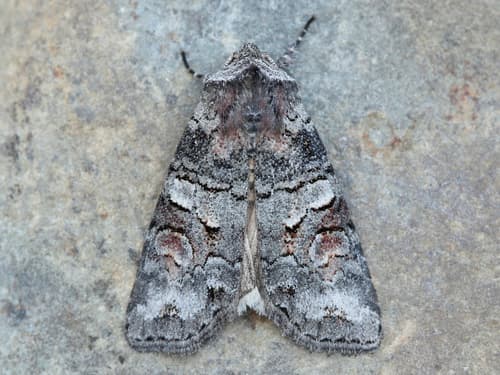
Alternate Woodling
Common NameAlternate Woodling
Scientific NameLithophane antennata
FamilyNoctuidae
SubfamilyNoctuinae
Wingspan (mm)40
Wing Patterncryptic
Primary Colorsgray, white, black, reddish-brown
HabitatDeciduous woodlands, forests, suburban areas, and parks
Geographic RangeEastern North America, from Nova Scotia west to Manitoba and south to Florida and Texas
Host Plantsoak, maple, ash, cherry, willow, hickory
Flight PeriodLate fall (September-November) and early spring (March-May)
Flight Stylefluttering
Conservation Statusleast-concern
Lifecycle NotesThe Alternate Woodling overwinters as an adult moth, emerging in early spring to lay eggs. Larvae feed on the leaves of various deciduous trees and shrubs during late spring and early summer, then pupate in the soil, with new adults emerging in the fall.
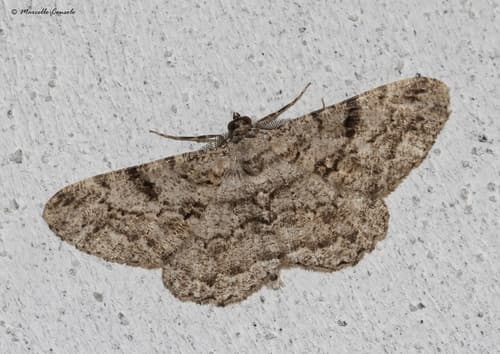
Identification TipsLook for its distinctive cryptic pattern of grays, whites, and blacks, often with a prominent black dash near the base of the forewing and a reddish-brown reniform spot. Its flight period in both late fall and early spring is also a key identifier.
Description
This moth has mottled gray and white forewings with intricate black and reddish-brown markings, providing excellent camouflage against tree bark or lichen. The hindwings are typically a plain grayish-brown.