Angled Tussock Moth
Common NameAngled Tussock Moth
Scientific NameCalliteara angulata
FamilyErebidae
SubfamilyLymantriinae
Wingspan (mm)35
Wing Patterncryptic
Primary Colorspale brown, dark brown, black
HabitatForests, woodlands, orchards
Geographic RangeEast Asia (Japan, Korea, China, Russian Far East)
Host Plantsoak, birch, willow, chestnut, fruit trees
Flight PeriodJuly to September
Flight Stylefluttering
Conservation Statusleast-concern
Lifecycle NotesThe larvae are hairy caterpillars, often with prominent tufts of hair, which feed on various deciduous trees. They pupate in a cocoon, and the adult females are typically flightless or have reduced wings.
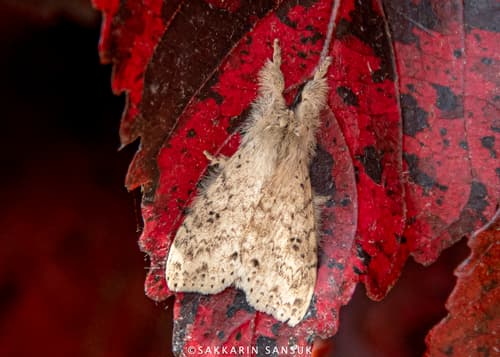
Identification TipsKey identification features include the mottled pale and dark brown forewings with an angled, irregular pattern and distinct black spots. The hairy body and feathery antennae (in males) are also characteristic.
Description
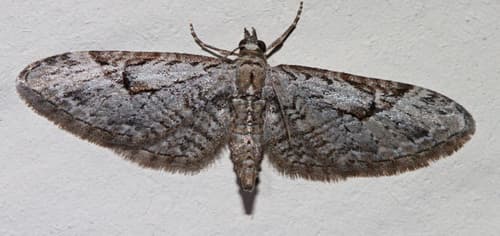
This moth has a robust, hairy body and feathery antennae, with forewings that are cryptically mottled in shades of pale brown, dark brown, and black. The pattern includes irregular lines and distinct black spots, providing excellent camouflage against tree bark.