Anticarsia irrorata
Common NameAnticarsia irrorata
Scientific NameAnticarsia irrorata
FamilyErebidae
SubfamilyErebinae
Wingspan (mm)35
Primary Colorsbrown, dark brown
HabitatAgricultural fields, open woodlands, disturbed areas
Geographic RangeNeotropical (Central and South America), occasionally migrating to North America
Host Plantssoybean, peanut, bean, alfalfa
Flight PeriodYear-round in tropical regions, warmer months in temperate zones
Conservation Statusleast-concern
Lifecycle NotesLarvae are typically green or brownish semi-loopers that feed on the leaves of various leguminous plants. Pupation occurs in the soil or leaf litter, and the species can have multiple generations per year in suitable climates.
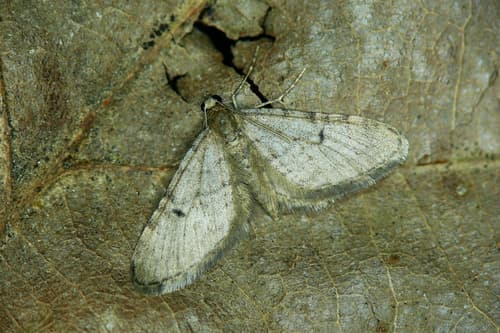
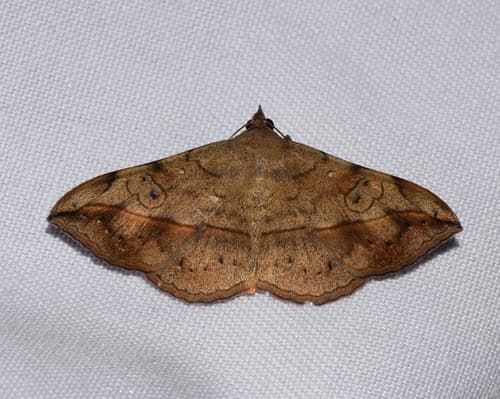
Identification TipsKey features include the mottled brown coloration with distinct wavy transverse lines across the forewings, and the presence of a small, dark reniform spot and a less distinct orbicular spot.
Description
A medium-sized, cryptically colored moth with mottled brown forewings featuring wavy transverse lines and faint reniform and orbicular spots. Its hindwings are also brownish, contributing to its camouflaged appearance.