Burdock Stem Borer Moth
Common NameBurdock Stem Borer Moth
Scientific NamePapaipema arctivorens
FamilyNoctuidae
SubfamilyHadeninae
Wingspan (mm)34
Wing Patternspotted
Primary Colorsbrown, tan, yellowish-brown
HabitatFields, meadows, disturbed areas, forest edges where host plants grow
Geographic RangeEastern North America, from Nova Scotia west to Manitoba and south to Florida and Texas
Host PlantsBurdock (Arctium spp.), Thistle (Cirsium spp.), Ragweed (Ambrosia spp.), other large-stemmed herbaceous plants
Flight PeriodAugust to October
Flight Stylefluttering
Conservation Statusleast-concern
Lifecycle NotesLarvae are stem borers, feeding inside the stems of various large herbaceous plants, primarily burdock. They pupate either within the stem or in the soil, emerging as adults in late summer to fall. There is one generation per year.
Identification TipsLook for the distinctive pattern of pale, somewhat irregular spots on the forewings against a mottled brown and yellowish-tan background. The hairy, brownish thorax is also a key feature. It can be distinguished from similar Papaipema species by the specific shape and arrangement of these spots and its host plant association.
Description
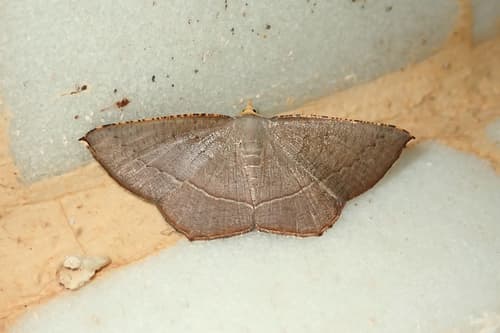
This moth has mottled brown and yellowish-tan forewings, often with a darker brown marginal area and distinct pale, somewhat irregular spots (reniform, orbicular, and claviform) on the central part of the wing. The thorax is notably hairy and brownish.