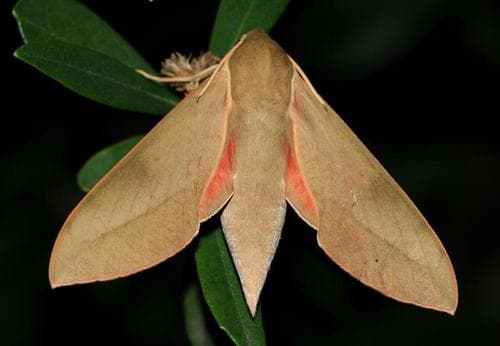
Cape Hawkmoth
Common NameCape Hawkmoth
Scientific NameTheretra capensis
FamilySphingidae
SubfamilyMacroglossinae
Wingspan (mm)80
Wing Patternsolid
Primary Colorsbrown, tan, red-orange
HabitatForests, woodlands, coastal bush, suburban gardens
Geographic RangeSouthern Africa (South Africa, Eswatini, Zimbabwe, Mozambique, Malawi, Zambia, Angola, Democratic Republic of Congo, Tanzania, Kenya, Uganda)
Host PlantsVitis, Rhoicissus, Cissus, Impatiens, Arum, Zantedeschia
Flight PeriodYear-round in warmer regions, more common in summer and autumn
Conservation Statusleast-concern
Lifecycle NotesEggs are laid singly on host plants. Larvae are typically green or brown with eyespots, pupating in a shallow burrow in the soil or leaf litter. Adults emerge after a few weeks to months, depending on temperature.
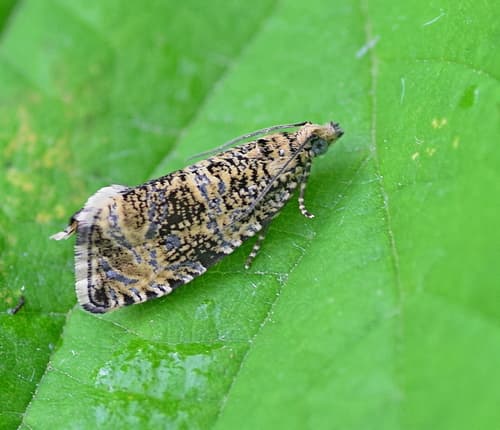
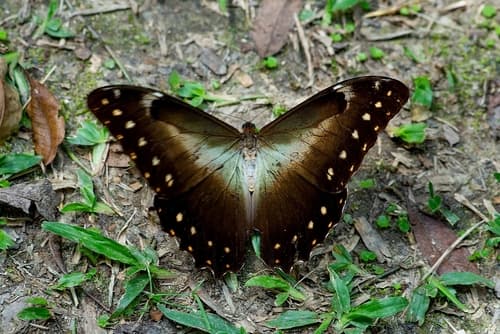
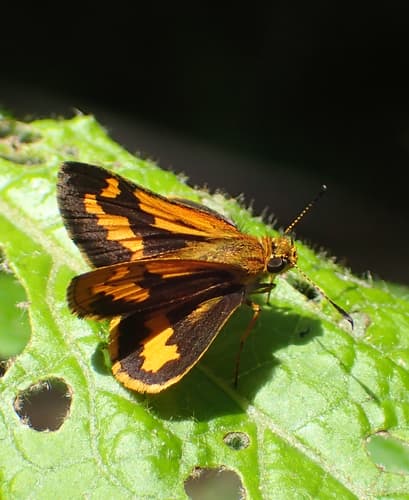
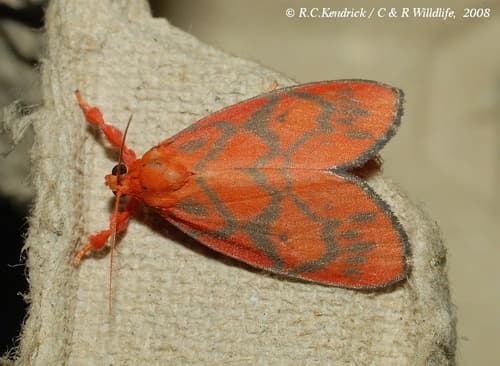
Identification TipsDistinguished by its overall tan/brown coloration and the prominent reddish-orange stripe on the hindwings, which is often visible as a flash of color even when the moth is perched. The streamlined body and pointed forewings are typical of hawkmoths.
Description
A medium-sized hawkmoth with a streamlined body and long, pointed forewings. The forewings are a uniform light brown or tan, while the hindwings feature a striking reddish-orange stripe that is visible even when the moth is at rest.