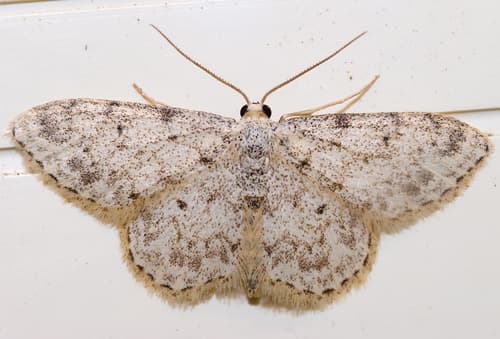
Cervantes Wave
Common NameCervantes Wave
Scientific NameIdaea cervantaria
FamilyGeometridae
SubfamilySterrhinae
Wingspan (mm)20
Wing Patterncryptic
Primary Colorscream, pale brown, dark brown
HabitatDry, open habitats such as garrigue, maquis, coastal dunes, and stony ground.
Geographic RangeSouthern Europe (e.g., Iberian Peninsula, France, Italy, Greece), North Africa, parts of the Middle East.
Host Plantsvarious low-growing herbaceous plants, detritus
Flight PeriodApril to October
Flight Stylefluttering
Conservation Statusleast-concern
Lifecycle NotesLarvae are cryptic, feeding on low-growing herbaceous plants and detritus, and overwinter as larvae. Pupation occurs in a loose cocoon near the ground.
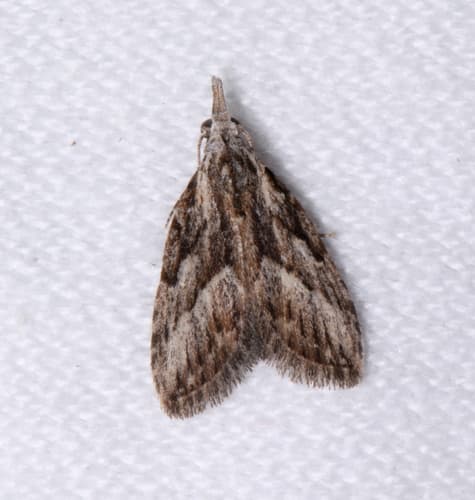
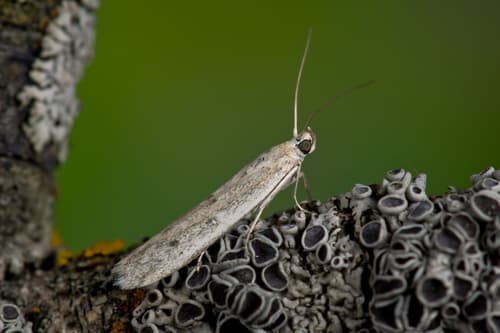
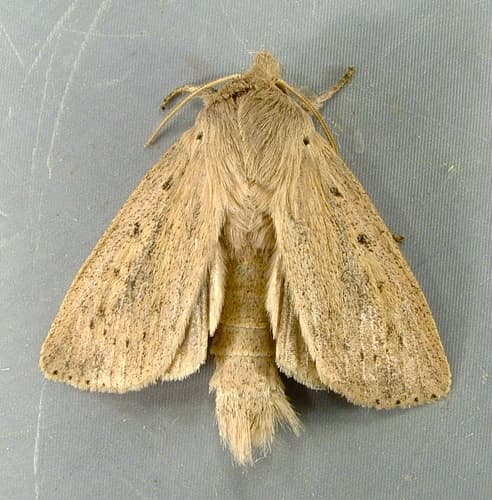
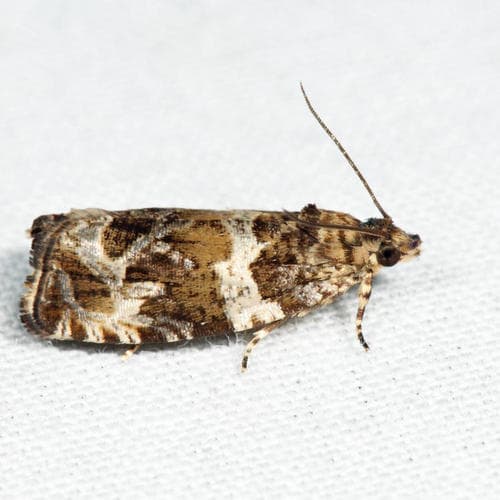
Identification TipsLook for its pale, speckled appearance, relatively broad wings, and the specific pattern of faint wavy lines and small discal spots, which helps differentiate it from similar Idaea species.
Description
A small, pale moth with broad, rounded wings, typically off-white to pale greyish-brown, densely speckled with dark brown scales, and featuring faint wavy transverse lines.