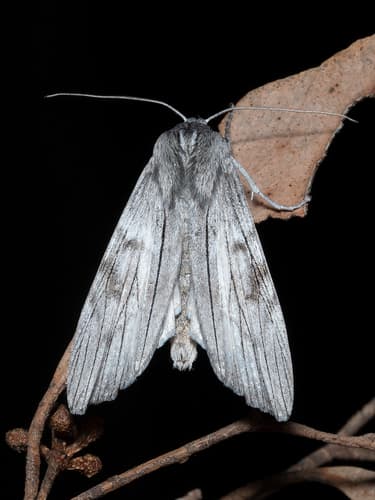
Coneflower Borer Moth
Common NameConeflower Borer Moth
Scientific NamePapaipema nebris
FamilyNoctuidae
SubfamilyAmphipyrinae
Wingspan (mm)32.5
Primary Colorsbrown, reddish-brown, white
HabitatFields, meadows, gardens, disturbed areas, and anywhere host plants are abundant.
Geographic RangeEastern North America, from southern Canada to Florida and west to the Great Plains.
Host Plantscorn, ragweed, burdock, coneflower, sunflower, tomato, potato
Flight PeriodAugust to October
Conservation Statusleast-concern
Lifecycle NotesUnivoltine, with eggs laid in late summer/fall overwintering and hatching in spring. Larvae bore into the stems of various herbaceous plants, pupating in the soil or within the stem, with adults emerging in late summer.
Identification TipsLook for the mottled brown and reddish-brown forewings, robust body, and the characteristic pale, jagged line on the outer part of the forewing, which is a key feature of the reniform spot.
Description
A robust, medium-sized moth with mottled brown forewings, often featuring a reddish-brown central area. The forewings display a distinctive pale, somewhat jagged line outlining the reniform spot and small, indistinct pale orbicular spots.