Deadwood Borer Moth
Common NameDeadwood Borer Moth
Scientific NameLithophane laticinerea
FamilyNoctuidae
SubfamilyNoctuinae
Wingspan (mm)45
Primary Colorsgrey, brown, black
HabitatDeciduous forests, woodlands, suburban areas
Geographic RangeEastern North America
Host Plantsoak, maple, ash, elm, birch, willow, cherry
Flight PeriodSeptember to November (overwintering adults), March to May (spring flight)
Flight Stylefluttering
Conservation Statusleast-concern
Lifecycle NotesUnivoltine. Adults emerge in autumn, overwinter, and lay eggs in spring. Larvae feed on deciduous trees in late spring/early summer, then pupate in the soil.
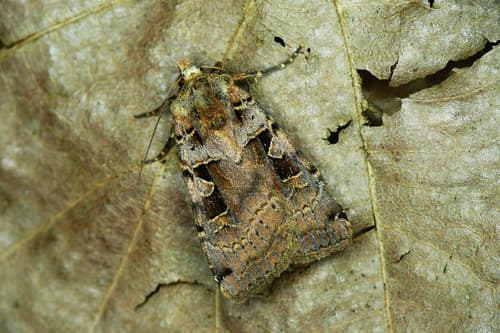
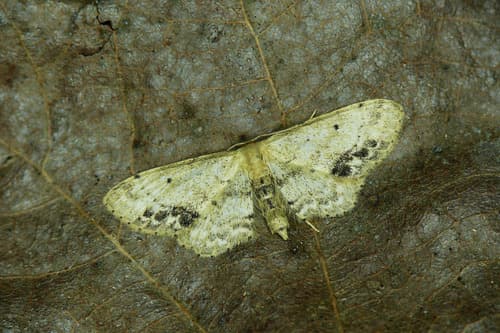
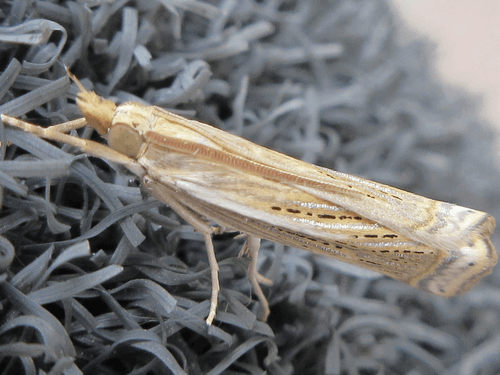
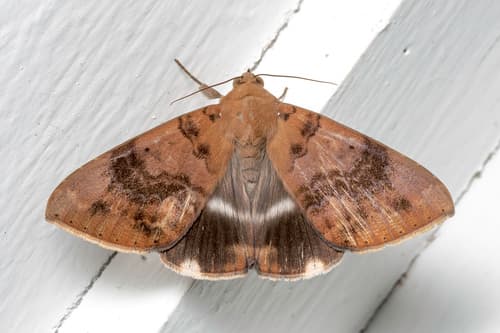
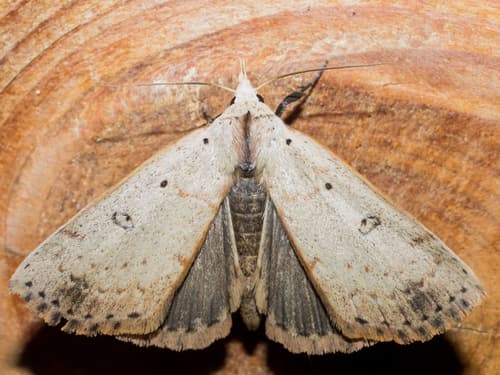
Identification TipsLook for its elongated, ash-gray forewings with a distinct black-outlined reniform spot and a series of small black dots along the outer margin. Often found resting cryptically on tree bark.
Description
A medium-sized moth with elongated, ash-gray forewings mottled with darker scales, featuring a prominent black-outlined kidney-shaped spot and a row of small black dots near the outer margin.