Diana Fritillary
Image: Argonitros (CC BY-SA 4.0)
Common NameDiana Fritillary
Scientific NameSpeyeria diana
FamilyNymphalidae
SubfamilyHeliconiinae
Wingspan (mm)85
Primary Colorsorange, black, blue, white
HabitatOpen woodlands, forest edges, clearings, often near streams
Geographic RangeEastern and central United States, particularly in the Appalachian Mountains and Ozarks
Host Plantsviolets (Viola spp.)
Flight PeriodJune to October
Conservation Statusleast-concern
Lifecycle NotesEggs are laid on or near violet host plants in late summer. Larvae hatch but overwinter without feeding, resuming development in spring by feeding on violets. They then pupate into a chrysalis, with adults emerging in summer.
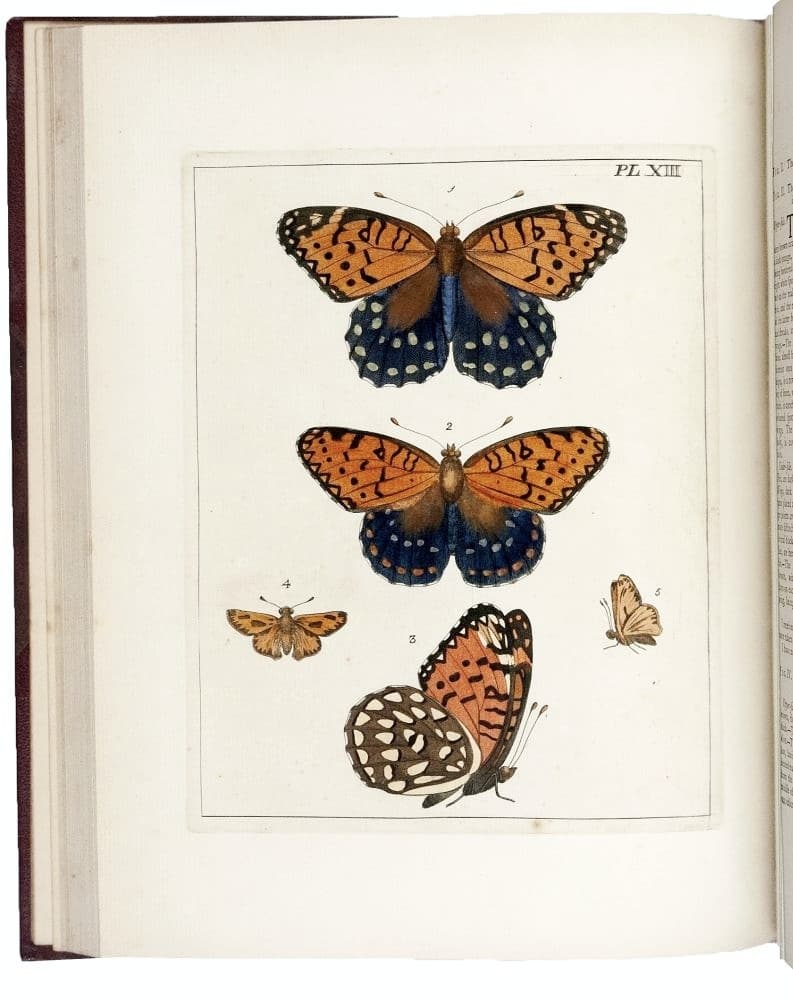
Identification TipsMales are easily identified by their contrasting orange forewings and dark blue, white-spotted hindwings. Females are generally darker, with blue-black forewings and hindwings, also with white spots, sometimes resembling swallowtails. The distinctive silver spots on the underside of the hindwings are characteristic of fritillaries.
Description
A large and striking fritillary butterfly, males feature bright orange forewings with black markings and iridescent dark blue hindwings with prominent white spots. The underside of the hindwings also displays distinct white or cream spots.