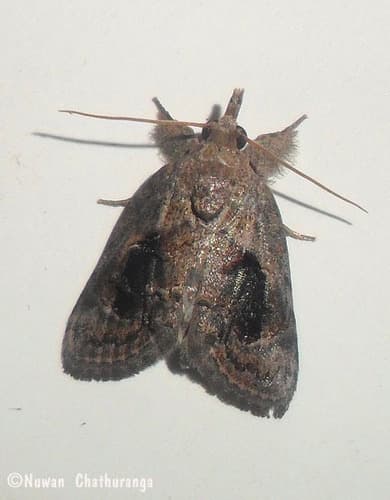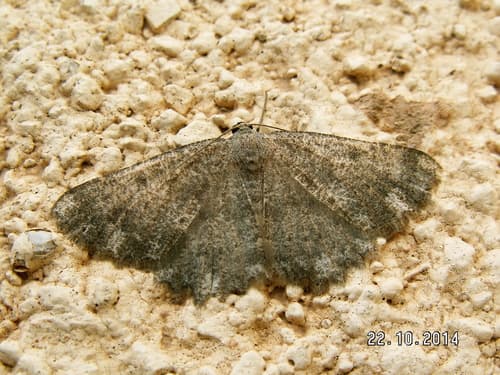
Dicrognophos sartata
Common NameDicrognophos sartata
Scientific NameDicrognophos sartata
FamilyGeometridae
SubfamilyEnnominae
Wingspan (mm)34
Wing Patterncryptic
Primary Colorsgrey, brown
HabitatRocky areas, dry grasslands, scrubland, often on limestone
Geographic RangeSouthern Europe (e.g., Spain, Portugal, France, Italy, Balkan Peninsula) and North Africa
Host PlantsThymus, Helianthemum, Genista, Cytisus
Flight PeriodApril to June and July to September (bivoltine), sometimes a late third generation into October
Flight Stylefluttering
Conservation Statusleast-concern
Lifecycle NotesUndergoes complete metamorphosis: egg, larva (caterpillar), pupa, adult. Larvae are typically cryptic, blending with their host plants, and feed on low-growing shrubs and herbs.
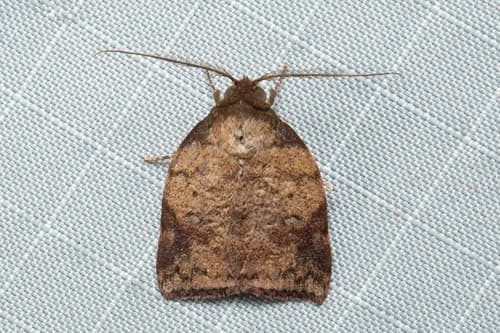
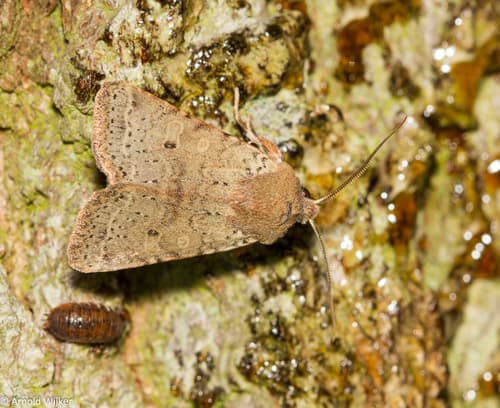
Identification TipsDistinguished by its cryptic grey-brown coloration and broad wings, often found resting on rocks or tree trunks. The overall mottled appearance and faint transverse lines are characteristic, though specific markings can vary.
Description
A medium-sized moth with broad, rounded wings, typically mottled grey and brown, providing excellent camouflage against rocky or lichen-covered surfaces. The forewings often show faint darker transverse lines and a discal spot.