Dysgonia stuposa
Common NameDysgonia stuposa
Scientific NameDysgonia stuposa
FamilyErebidae
SubfamilyErebinae
Wingspan (mm)40
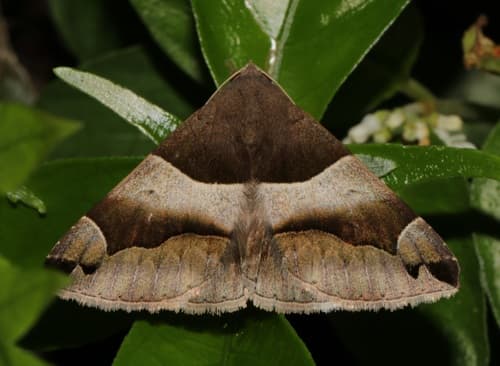
Primary Colorsdark brown, light brown, grey
HabitatForests, woodlands, and areas with host plants in tropical and subtropical regions
Geographic RangeIndia, Sri Lanka, Southeast Asia
Host PlantsAcacia, Terminalia
Flight PeriodYear-round in tropical regions (multiple broods)
Flight Stylefluttering
Conservation Statusleast-concern
Lifecycle NotesUndergoes complete metamorphosis: egg, larva (caterpillar), pupa, and adult. Larvae typically feed on the foliage of various trees and shrubs.
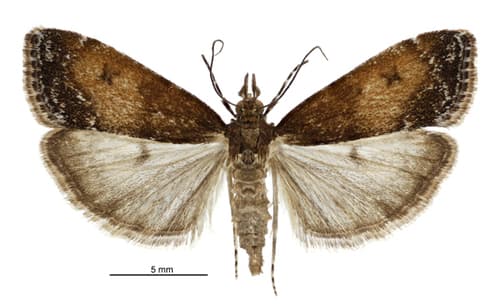
Identification TipsKey identification features include the distinct dark brown basal and postmedial bands on the forewings, contrasted by a lighter central band. The overall triangular resting posture and the specific pattern of the bands are diagnostic.
Description
A medium-sized moth with forewings characterized by a dark brown basal area and a broad, irregular dark brown postmedial band, separated by a lighter greyish-brown median band. The moth rests with its wings forming a distinct triangular shape.