Essex Υ
Common NameEssex Υ
Scientific NameXylena exsoleta
FamilyNoctuidae
SubfamilyNoctuinae
Wingspan (mm)63
Primary Colorsbrown, grey, black, white
HabitatWoodlands, heathland, moorland, gardens
Geographic RangePalearctic region (Europe, North Africa, Asia)
Host Plantswillow, poplar, blueberry, bramble, dock, plantain
Flight PeriodSeptember to November, March to May
Conservation Statusleast-concern
Lifecycle NotesUnivoltine. Eggs are laid in spring. Larvae feed from April to July, then pupate in an earthen cell in the soil. Adults emerge in autumn, overwinter, and become active again in spring.
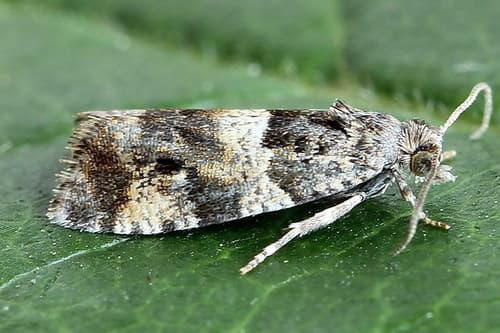
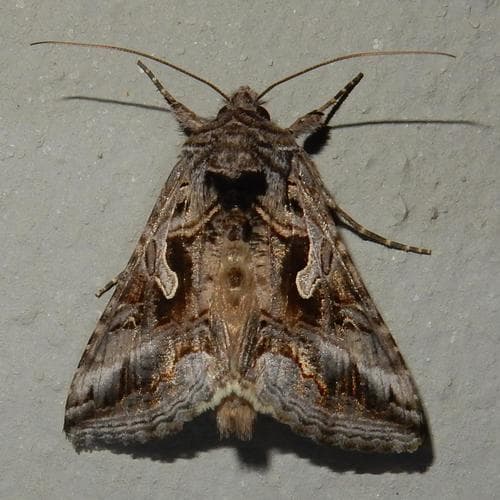
Identification TipsKey features include its large size, robust body, and the specific cryptic pattern of the forewings with the pale reniform stigma and dark basal streaks. It is generally greyer than its close relative, the Red Sword-grass (*Xylena vetusta*).
Description
A large, robust moth with cryptically patterned forewings in shades of grey, brown, and black, featuring a distinctive pale, often U-shaped or Y-shaped reniform stigma and prominent dark basal streaks.