Fall Cankerworm Moth
Common NameFall Cankerworm Moth
Scientific NameAlsophila pometaria
FamilyGeometridae
SubfamilyEnnominae
Wingspan (mm)25
Wing Patterncryptic
Primary Colorsbrown, grey, tan
HabitatDeciduous forests, woodlands, urban areas, orchards
Geographic RangeEastern North America, from southeastern Canada south to Florida and west to Texas
Host Plantsoak, maple, elm, apple, cherry, ash, basswood, birch, hickory
Flight PeriodOctober to December
Flight Stylefluttering
Conservation Statusleast-concern
Lifecycle NotesEggs are laid in late fall on host tree branches. Larvae, known as cankerworms or inchworms, hatch in spring and feed on new leaves, pupating in the soil in early summer. Wingless females emerge in late fall and crawl up trees to lay eggs.
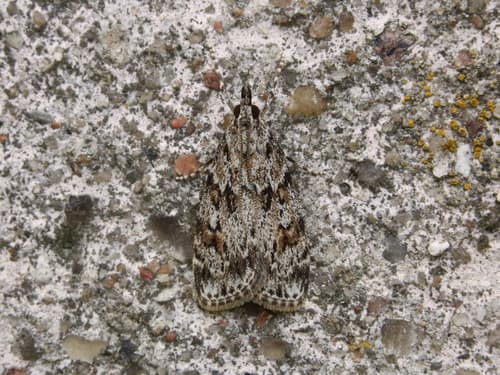
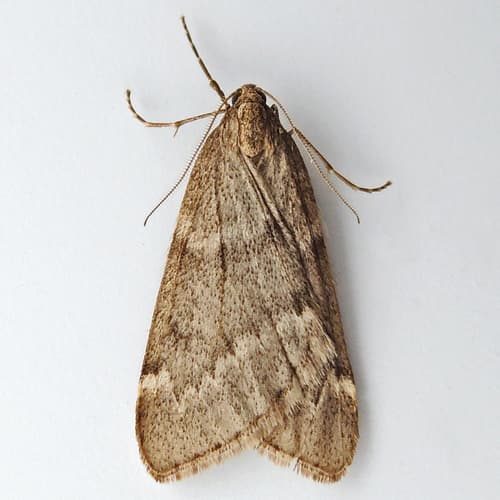
Identification TipsMales have mottled brownish-grey wings with two distinct wavy dark lines and a pale subterminal band. Females are wingless and greyish-brown. Adults are active late in the year, typically from October to December.
Description
A small to medium-sized moth with mottled brownish-grey forewings, featuring faint darker wavy lines and a distinct pale subterminal band. The antennae are filiform.