Fallen Bark Looper
Common NameFallen Bark Looper
Scientific NamePhigalia titea
FamilyGeometridae
SubfamilyEnnominae
Wingspan (mm)35
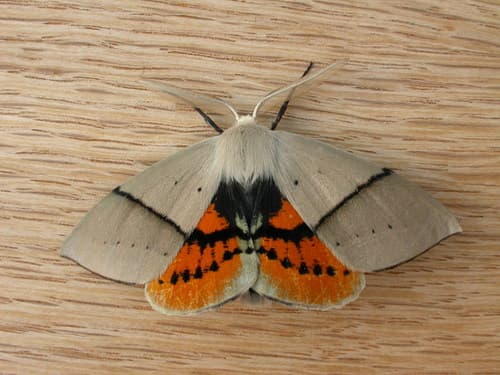
Primary Colorslight grey, orange, black
HabitatDeciduous forests, woodlands, suburban areas
Geographic RangeEastern North America
Host Plantsoak, maple, birch, elm, cherry
Flight PeriodMarch to May
Flight Stylefluttering
Conservation Statusleast-concern
Lifecycle NotesThe larvae are 'looper' caterpillars that feed on the foliage of various deciduous trees. Adults emerge in early spring.
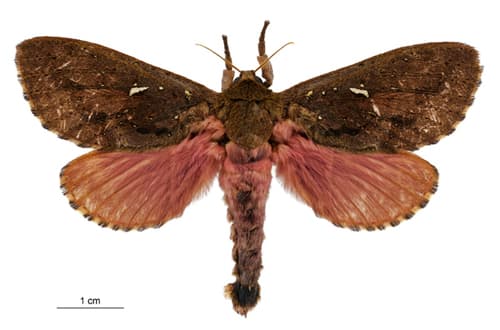
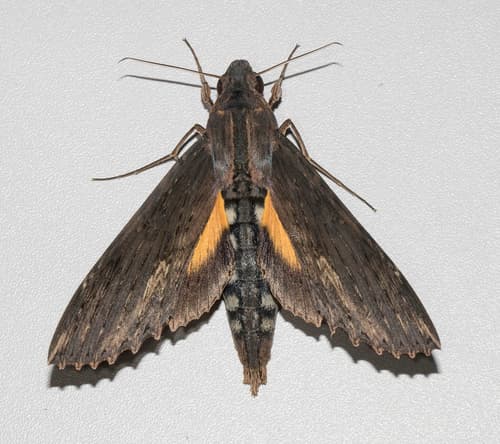
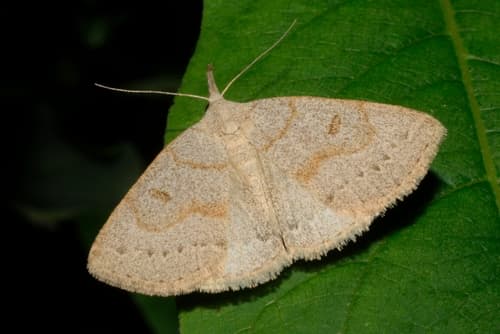
Identification TipsKey identification features include the light grey forewings with a distinct dark band and the bright orange hindwings patterned with black. Males possess feathery antennae.
Description
This moth features light grey forewings with a prominent dark median band and scattered small black spots. Its hindwings are a striking orange with irregular black markings, providing a sharp contrast.