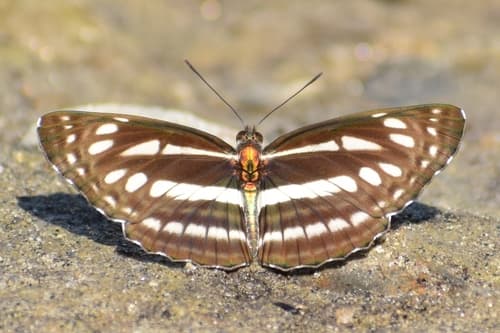
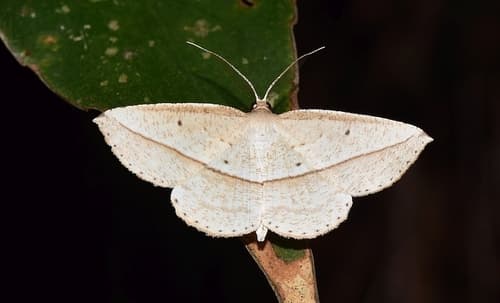
False Hemlock Looper Moth
Common NameFalse Hemlock Looper Moth
Scientific NameLambdina fiscellaria
FamilyGeometridae
SubfamilyEnnominae
Wingspan (mm)35
Primary Colorsgrey, white, black
HabitatConiferous forests, especially hemlock, fir, and spruce stands
Geographic RangeNorth America (widespread across Canada and the northern US, extending south in mountainous regions)
Host Plantseastern hemlock, western hemlock, balsam fir, Douglas-fir, spruce, cedar, pine
Flight PeriodAugust to October
Flight Stylefluttering
Conservation Statusleast-concern
Lifecycle NotesEggs are laid on host plant bark in late summer/fall, overwinter, and hatch in spring. Larvae are 'loopers' or inchworms, feeding on conifer needles. Pupation occurs in leaf litter or on the host plant, with adults emerging in late summer.
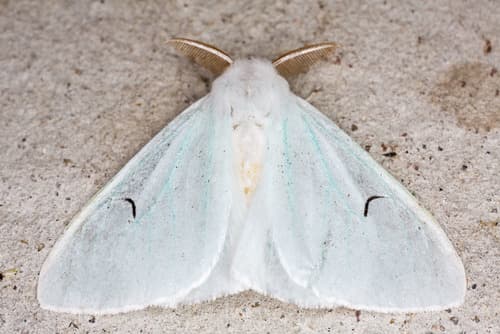
Identification TipsLook for its distinctive cryptic grey and white pattern with wavy black lines on the wings. The larvae are classic 'inchworms' found on coniferous trees. Often found in areas with hemlock or fir.
Description
This moth has mottled grey and white wings with a speckled appearance, featuring prominent wavy black lines across both forewings and hindwings. Its cryptic coloration helps it blend into tree bark.