Fickle Tussock Moth
Common NameFickle Tussock Moth
Scientific NameOrgyia dubia
FamilyErebidae
SubfamilyLymantriinae
Wingspan (mm)20
Wing Patternspotted
Primary Colorsorange, black, grey
HabitatDry grasslands, heathlands, coastal dunes, steppes
Geographic RangeSouthern and Central Europe, North Africa, parts of Asia
Host PlantsCalluna, Erica, Genista, Cytisus, Thymus, Salicornia, Salsola, Atriplex, Artemisia, Lotus, Ononis, Trifolium, Medicago, Plantago, Rumex, Euphorbia, Pinus, Quercus
Flight PeriodAugust to November
Flight Styledarting
Conservation Statusleast-concern
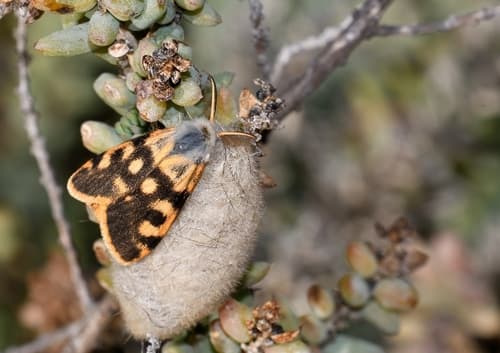
Lifecycle NotesFemales are apterous (wingless) and remain on or near their cocoons after emerging, where they lay their eggs. Larvae are hairy tussock caterpillars.
Identification TipsMales are easily identified by their distinctive orange-yellow forewings with prominent black spots and their diurnal flight. Females are wingless and typically found clinging to their cocoons.
Description
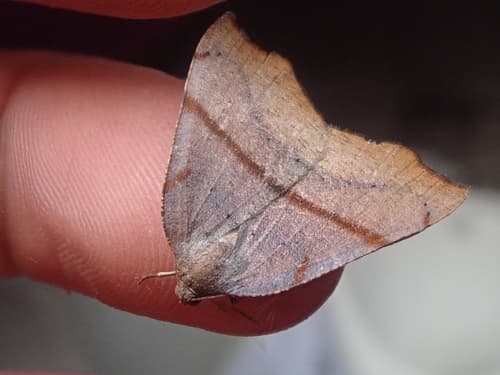
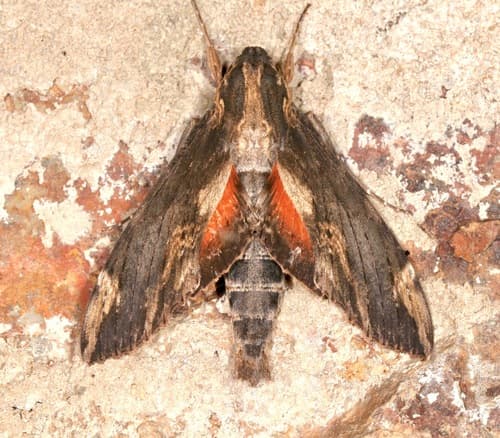
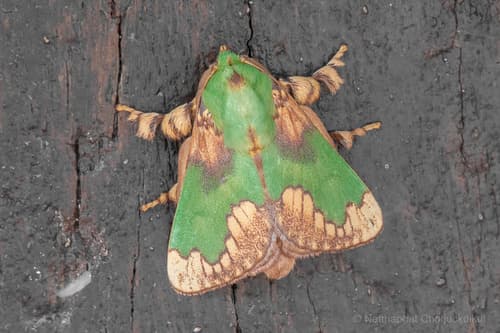
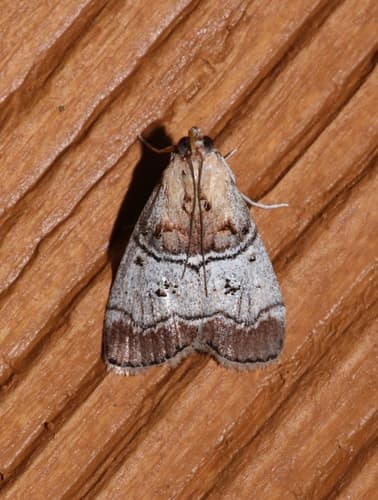
The male moth has striking orange-yellow forewings heavily marked with irregular black spots and bands, and a grey, hairy body. It is shown resting on a fluffy, grey cocoon.