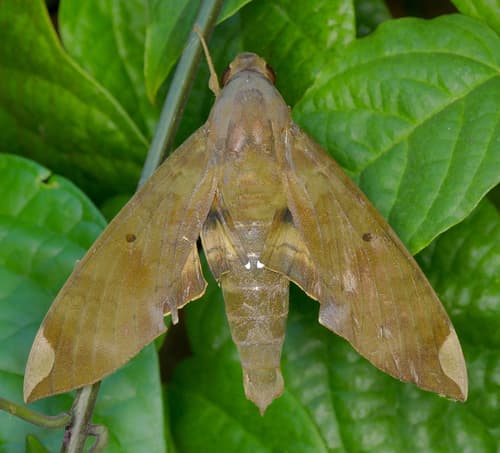
Fig Sphinx
Common NameFig Sphinx
Scientific NamePachylia ficus
FamilySphingidae
SubfamilyMacroglossinae
Wingspan (mm)100
Wing Patterncryptic
Primary Colorsolive-brown, pale brown
HabitatTropical and subtropical forests, woodlands, gardens, and disturbed areas where host plants are present.
Geographic RangeSouthern United States (stray), Mexico, Central America, South America, and the Caribbean.
Host PlantsFicus carica, Ficus aurea, Ficus religiosa, Ficus citrifolia, Ficus elastica
Flight PeriodYear-round in tropical regions; multiple broods from May to November in subtropical areas.
Flight Styledarting
Conservation Statusleast-concern
Lifecycle NotesLarvae are typically green or brown, often with lateral stripes or ocelli, feeding on fig leaves. They pupate in the soil or leaf litter.
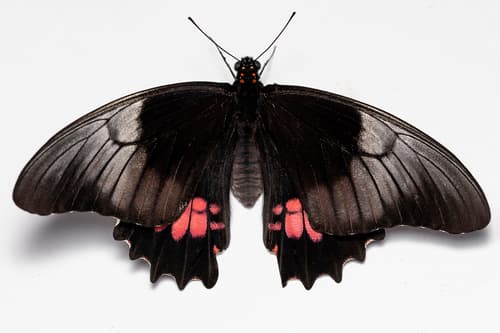
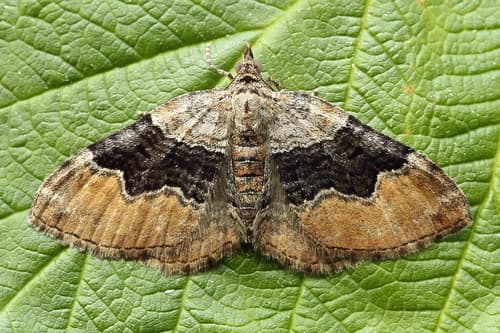
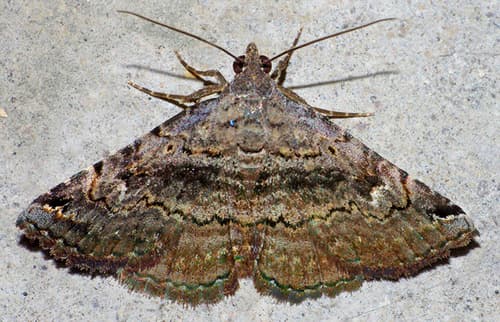
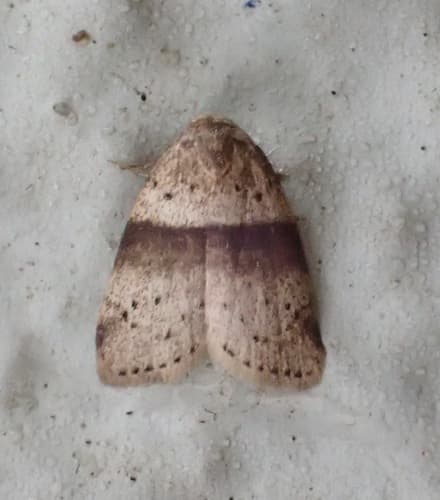
Identification TipsKey features include the cryptic olive-brown coloration, the pale, almost triangular patch at the forewing apex, and the small, often double, white spot on the dorsal side of the abdomen. The robust body and typical sphinx moth shape are also indicative.
Description
A large, robust moth with cryptic olive-brown to greenish-brown forewings, often mottled, featuring a distinct pale patch at the forewing apex and a small white spot on the dorsal abdomen.