Fine-lined Sallow
Common NameFine-lined Sallow
Scientific NameLithophane antennata
FamilyNoctuidae
SubfamilyXyleninae
Wingspan (mm)40
Wing Patterncryptic
Primary Colorsgrey, brown, white
HabitatDeciduous woodlands, forests, suburban areas with host trees
Geographic RangeEastern North America, from Nova Scotia west to Manitoba and south to Florida and Texas
Host Plantsoak, maple, birch, willow, cherry, hickory, ash
Flight PeriodSeptember to November (fall brood), March to May (spring brood)
Flight Stylefluttering
Conservation Statusleast-concern
Lifecycle NotesThis species is univoltine. Adults emerge in the fall, overwinter, and then become active again in early spring to lay eggs. Larvae feed on the leaves of various deciduous trees and shrubs during spring and early summer, then pupate in the soil.
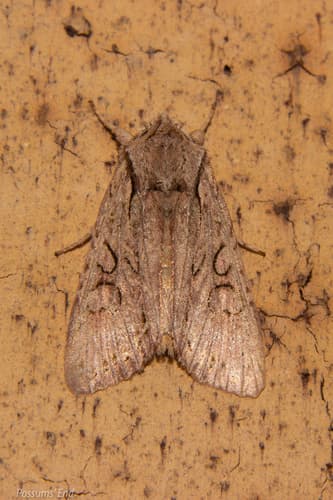
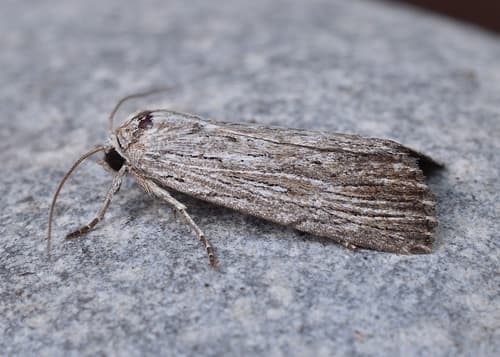
Identification TipsLook for its distinctive bark-like camouflage, mottled grey and brown forewings, and a prominent, often dark-outlined, reniform spot. The fine, wavy transverse lines are also characteristic.
Description
A medium-sized moth with cryptically patterned forewings that resemble tree bark, featuring mottled shades of grey, brown, and white with fine dark lines.