Giant Silk Moth
Common NameGiant Silk Moth
Scientific NameEacles imperialis
FamilySaturniidae
SubfamilyCeratocampinae
Wingspan (mm)100
Primary Colorsbrown, tan
HabitatDeciduous and mixed forests, woodlands, suburban areas
Geographic RangeEastern North America, from southern Canada to Florida and west to Texas
Host Plantsoak, maple, pine, sweetgum, sassafras, birch, cedar
Flight PeriodMay to September
Conservation Statusleast-concern
Lifecycle NotesEggs are laid on host plants. Larvae are large, spiny caterpillars that feed on tree leaves. They pupate in an underground chamber, overwintering as pupae.
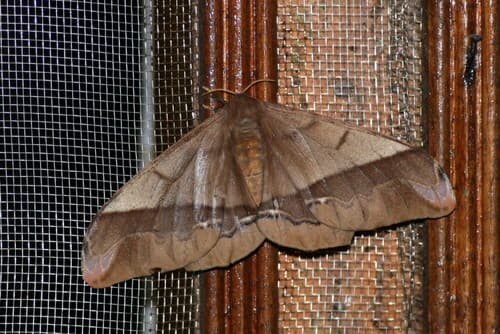
Identification TipsThis specific giant silk moth, the Imperial Moth, is distinguished by its large size, robust body, and the characteristic broad, pale diagonal band on the brown forewings. Coloration can vary from yellow with purple-brown markings to almost entirely dark brown. Males have feathery antennae.
Description
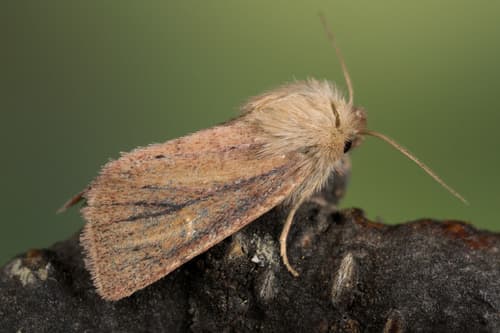
A large, robust moth, specifically an Imperial Moth (*Eacles imperialis*), with broad, brown wings featuring a prominent pale tan diagonal band across the forewings, bordered by a darker line. The body is furry and brown.