Giant Sphinx
Common NameGiant Sphinx
Scientific NameCocytius antaeus
FamilySphingidae
SubfamilySphinginae
Wingspan (mm)150
Primary Colorsbrown, grey, tan
HabitatTropical and subtropical forests, woodlands, gardens, and areas with host plants
Geographic RangeSouthern Florida, Texas, and Arizona in the US; Mexico, Central America, South America, and the Caribbean
Host PlantsAnnona glabra, Annona muricata, Annona squamosa
Flight PeriodYear-round in tropical areas; May to October in temperate regions
Conservation Statusleast-concern
Lifecycle NotesEggs are laid on host plants. Larvae are large, green hornworms with a prominent horn at the rear. They pupate in underground chambers.
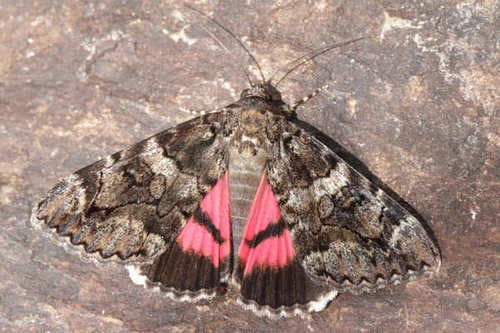
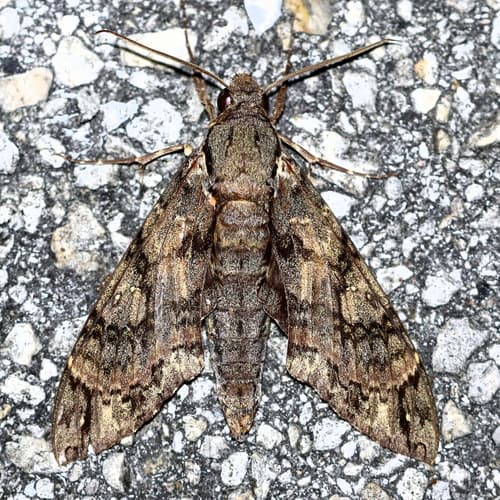
Identification TipsKey features include its immense size, robust body, and the distinctive cryptic pattern of its forewings. The hindwings, when visible, are typically yellow with black bands.
Description
A very large, robust moth with mottled brown and grey forewings featuring intricate dark bands and lighter speckles, providing excellent camouflage. Its thick body is covered in similar cryptic scales.