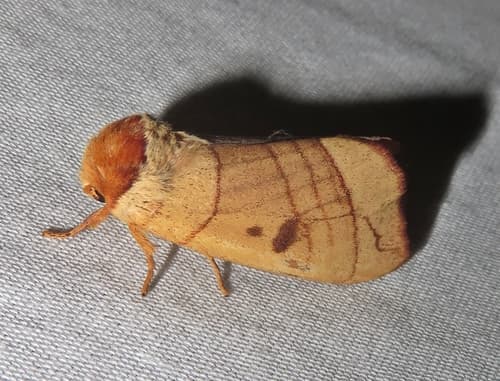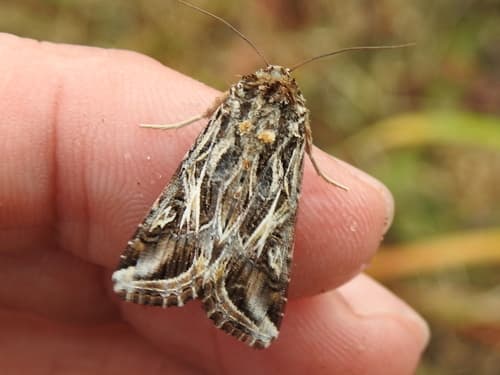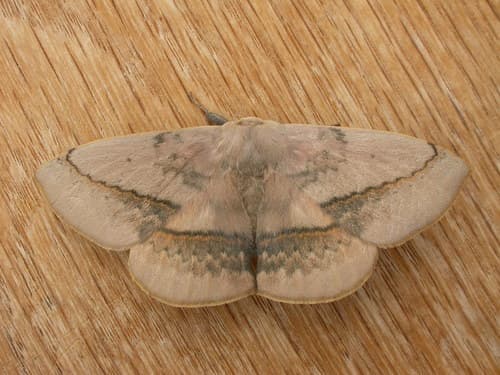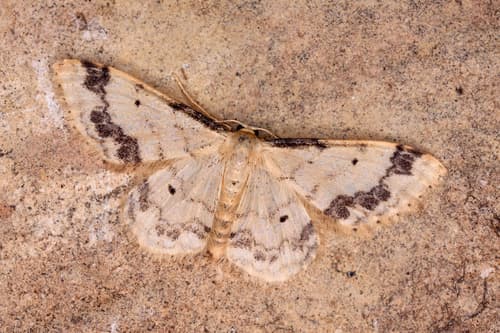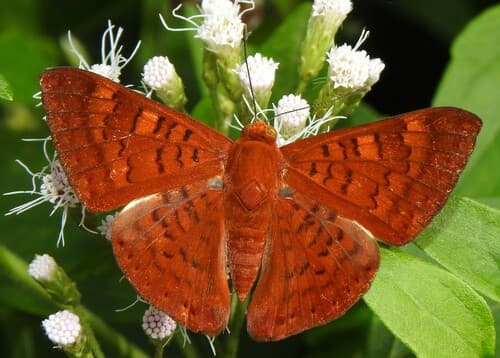
Great Emesis
Common NameGreat Emesis
Scientific NameEmesis emesia
FamilyRiodinidae
SubfamilyRiodininae
Wingspan (mm)30
Primary Colorsorange, brown, black
HabitatForest edges, open woodlands, clearings, tropical and subtropical forests
Geographic RangeSouthern North America (Texas, Arizona, New Mexico), Central America, South America (Mexico to Costa Rica)
Host PlantsAcacia, Mimosa, various legumes
Flight PeriodMarch to November (in northern range), year-round (in tropical areas)
Conservation Statusleast-concern
Lifecycle NotesEggs are laid singly on host plant leaves. Larvae are typically slug-like and camouflaged. Pupae are usually attached to leaves or stems.
Identification TipsLook for the tawny orange ground color with distinctive wavy dark brown transverse bands and spots. The slightly curved forewing costa is also a key feature. Often perches on low vegetation with wings open.
Description
A small to medium-sized butterfly with tawny orange wings marked by irregular, wavy dark brown transverse bands and spots. The underside is similar but often paler.