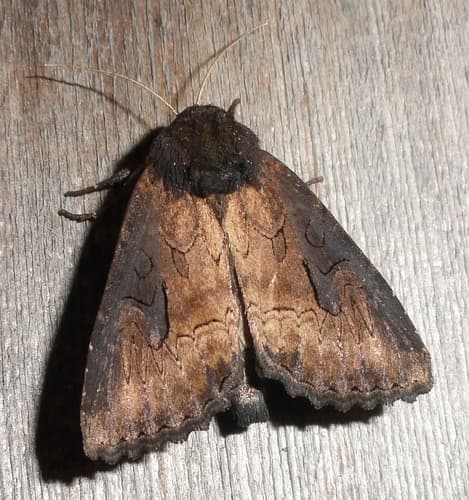
Iris Borer Moth
Common NameIris Borer Moth
Scientific NameMacronoctua onusta
FamilyNoctuidae
SubfamilyNoctuinae
Wingspan (mm)40
Wing Patterncryptic
Primary Colorsbrown, grey, black
HabitatGardens, cultivated areas, wetlands where irises grow
Geographic RangeEastern North America (southern Canada to Florida, west to Texas)
Host PlantsIris species, Iris versicolor, Iris germanica
Flight PeriodLate August to October (adults)
Flight Stylefluttering
Conservation Statusleast-concern
Lifecycle NotesEggs are laid on iris leaves in late summer/fall and overwinter. Larvae hatch in spring, bore into iris leaves, and then tunnel down into the rhizomes, causing significant damage. Pupation occurs in the soil.
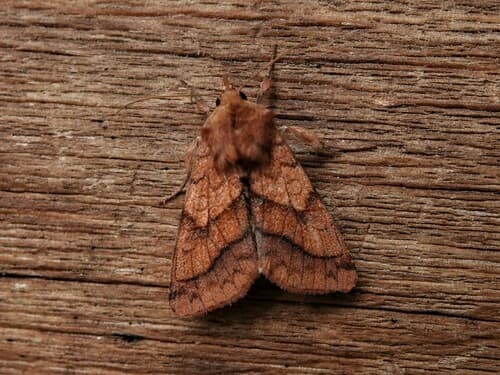
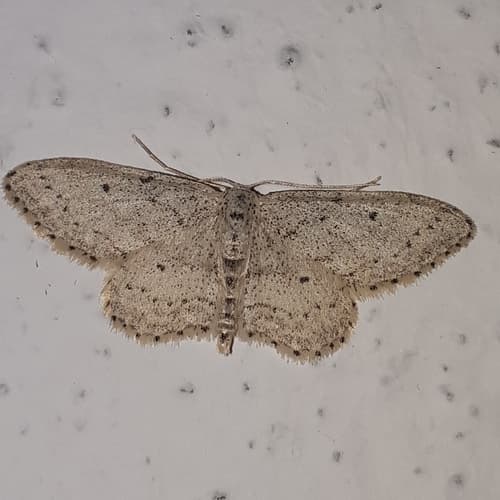
Identification TipsAdults have mottled brown/grey forewings with a somewhat indistinct pattern and a robust body. Most reliably identified by its association with damaged iris plants (larvae) or by examining adult specimens for specific wing markings.
Description
A medium-sized, robust moth with mottled brown and grey forewings, often featuring a darker median band and subtle kidney-shaped spots, providing excellent camouflage.