Large Owl Moth
Common NameLarge Owl Moth
Scientific NameErebus macrops
FamilyErebidae
SubfamilyErebinae
Wingspan (mm)140
Primary Colorsdark brown, brown, white, black
HabitatTropical and subtropical forests, woodlands
Geographic RangeSub-Saharan Africa, parts of Asia (e.g., India, Sri Lanka, Southeast Asia)
Host PlantsAcacia
Flight PeriodYear-round in tropical regions, often peaking during rainy seasons
Conservation Statusleast-concern
Lifecycle NotesUndergoes complete metamorphosis: egg, larva (caterpillar), pupa, and adult. Larvae feed on host plants before pupating, often camouflaged against bark or leaves.
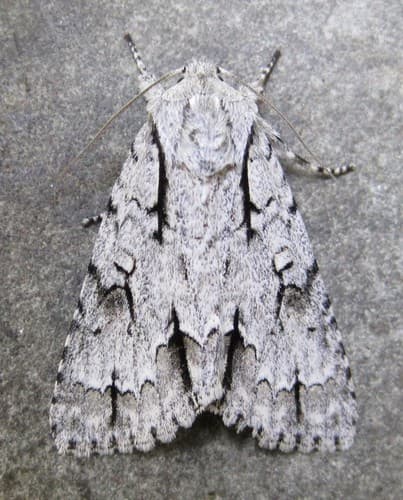
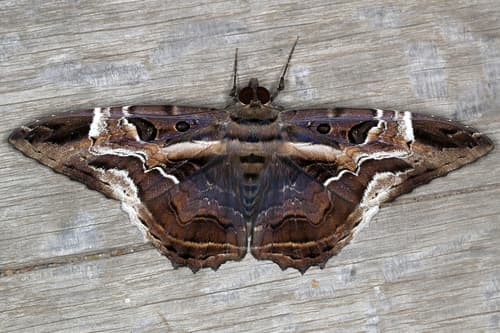
Identification TipsKey features include its exceptionally large size, the intricate pattern of white wavy lines on a dark brown background, and the prominent, dark, kidney-shaped mark on the forewings. The hindwings also feature large eyespots, though not fully visible in this dorsal view.
Description
A very large, robust moth with dark brown wings adorned with prominent white, wavy bands and distinctive dark, irregular patches, including a large kidney-shaped mark on the forewings.