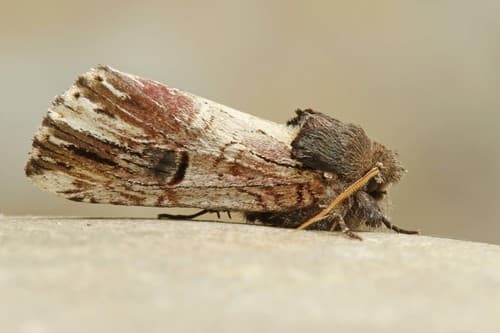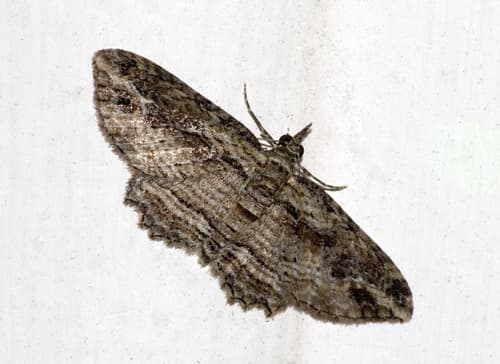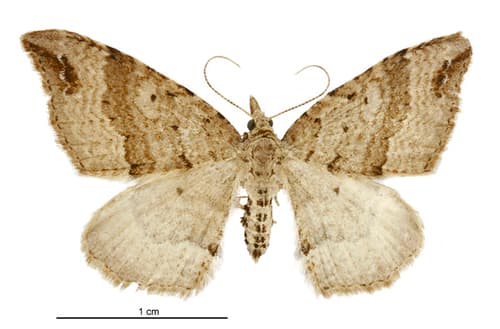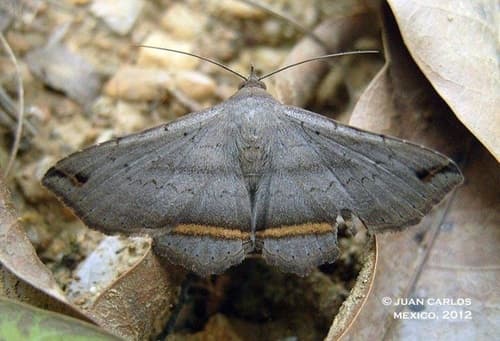
Light-spotted Quaker
Common NameLight-spotted Quaker
Scientific NameOrthosia populeti
FamilyNoctuidae
SubfamilyHadeninae
Wingspan (mm)34
Wing Patterncryptic
Primary Colorsbrown, grey, black
HabitatWoodlands, parks, gardens, hedgerows
Geographic RangeEurope, extending eastwards into parts of Asia
Host PlantsPopulus tremula (European aspen), Populus nigra (Black poplar), Salix (willow), Betula (birch), Alnus (alder), Quercus (oak)
Flight PeriodFebruary to April
Flight Stylefluttering
Conservation Statusleast-concern
Lifecycle NotesEggs are laid in spring, larvae feed on tree leaves during summer, pupation occurs in the soil, and the moth overwinters as a pupa, emerging in late winter or early spring.
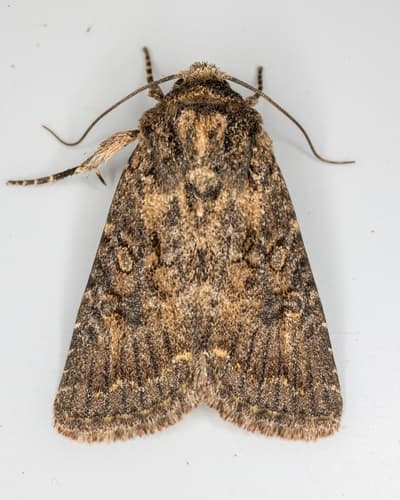
Identification TipsDistinguished by its mottled brown and grey forewings, often with a reddish tinge, and the characteristic pale-ringed reniform stigma. It can be confused with other Quaker moths but typically has a more variegated appearance.
Description
A medium-sized moth with mottled brown and grey forewings, featuring indistinct darker markings and a prominent, often pale-ringed, reniform stigma.