Lost Sallow
Common NameLost Sallow
Scientific NameXanthia ocellaris
FamilyNoctuidae
SubfamilyNoctuinae
Wingspan (mm)35
Primary Colorsbrown, grey, white
HabitatWoodlands, hedgerows, gardens, riverbanks, and other areas with poplars and willows.
Geographic RangeWidespread across much of Europe, extending into parts of Asia. In the UK, common in southern and central England, Wales, and Ireland.
Host PlantsPopulus (poplars, especially Black Poplar and Aspen), Salix (sallows/willows)
Flight PeriodLate August to October
Conservation Statusleast-concern
Lifecycle NotesEggs are laid in autumn and hatch the following spring. Larvae feed on the catkins and young leaves of host trees before pupating in the soil.
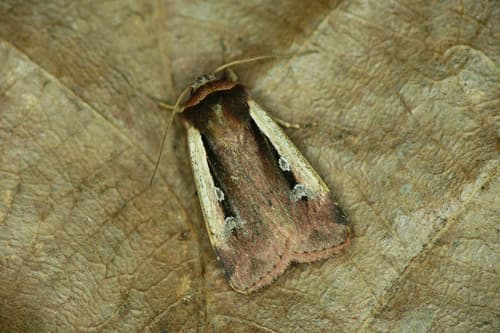
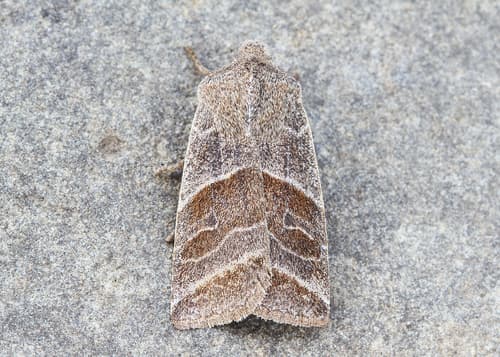
Identification TipsLook for the mottled brown and grey forewings with prominent, pale-edged wavy cross-lines, particularly the postmedian line which forms a distinct zig-zag or 'W' shape. The overall cryptic coloration helps it blend with tree bark.
Description
A medium-sized moth with mottled brown and grey forewings, featuring distinct pale-edged wavy cross-lines that provide excellent camouflage against bark.