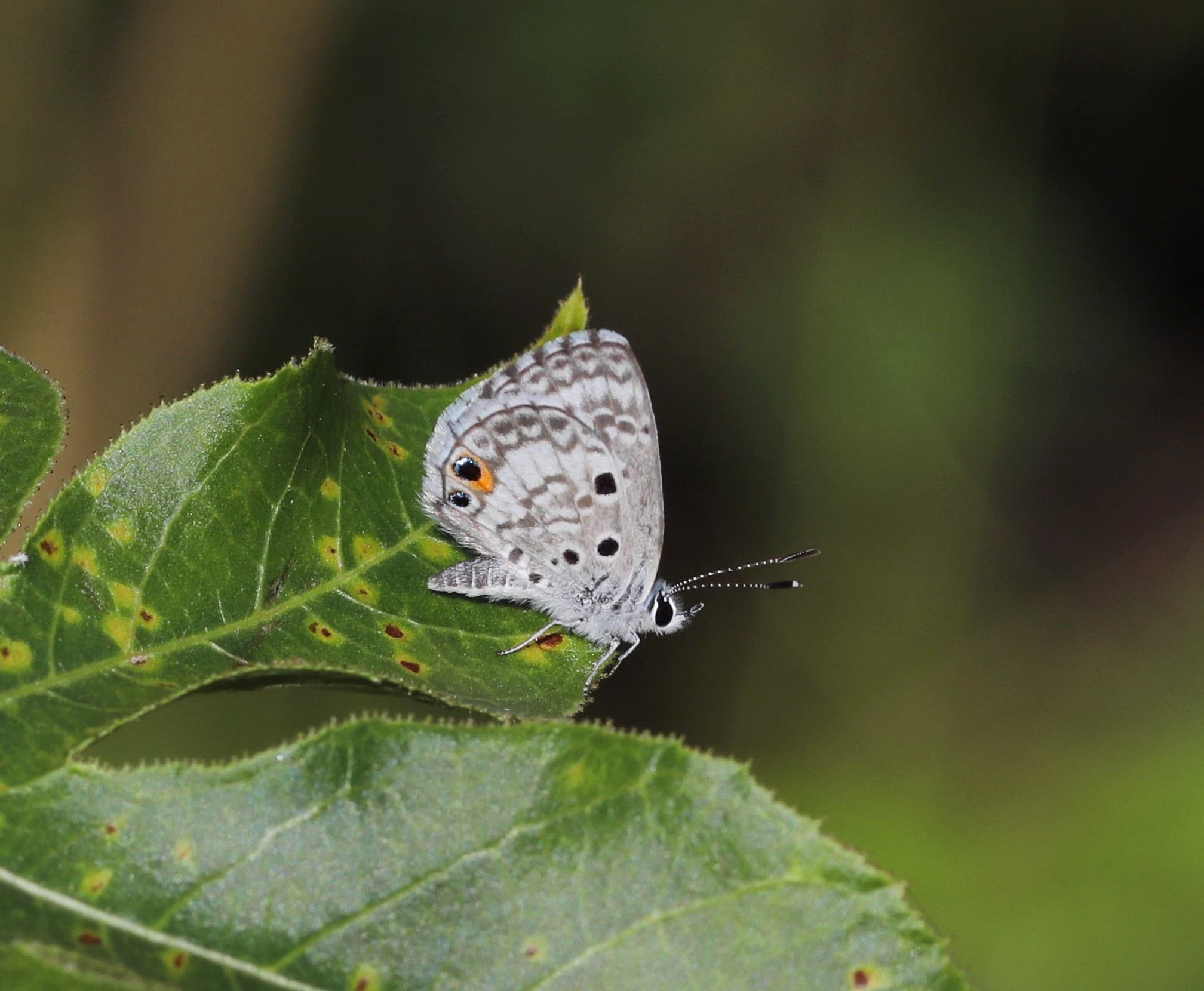
Miami Blue
Common NameMiami Blue
Scientific NameCyclargus thomasi
FamilyLycaenidae
SubfamilyPolyommatinae
Wingspan (mm)25
Wing Patternsolid
Primary Colorsblue, grey, white, black
HabitatCoastal scrub, pine rocklands, beach dunes, mangrove edges
Geographic RangeSouthern Florida (critically restricted), Bahamas, Cuba, Hispaniola, Puerto Rico
Host PlantsBalloonvine (Cardiospermum corindum), Gray Nickerbean (Caesalpinia bonduc), Blackbead (Pithecellobium keyense), Leadwort (Plumbago scandens)
Flight PeriodMultiple broods year-round in warm climates, especially spring to fall
Flight Stylegliding
Conservation Statuscritically-endangered
Lifecycle NotesEggs are laid singly on host plant parts. Larvae are small and slug-like, feeding on the host plant. Pupation occurs on or near the host plant, with multiple generations per year.
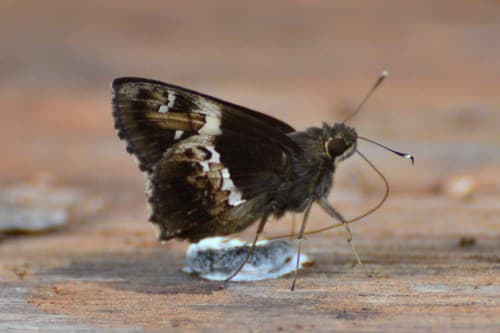
Identification TipsLook for its small size, the iridescent blue upperside in males, and the grayish-white underside with distinct black spots, particularly the one near the hindwing tornus. Its restricted coastal habitat and critically endangered status are also key identifiers.
Description
A small butterfly, males exhibit brilliant iridescent blue on their uppersides, while females are duller blue or brownish. The underside is grayish-white with small black spots, including a prominent one near the hindwing tornus.