Morning-glory Prominent
Common NameMorning-glory Prominent
Scientific NameSchizura ipomoeae
FamilyNotodontidae
SubfamilyNotodontinae
Wingspan (mm)45
Wing Patterncryptic
Primary Colorsbrown, grey, greenish-white
HabitatDeciduous forests, woodlands, suburban areas
Geographic RangeEastern North America, from southern Canada to Florida and west to Texas
Host Plantsmorning glory, oak, maple, birch, elm, willow
Flight PeriodMay to September
Conservation Statusleast-concern
Lifecycle NotesThe larvae are caterpillars that feed on various deciduous trees and shrubs. They pupate in the soil, and the species overwinters in the pupal stage.
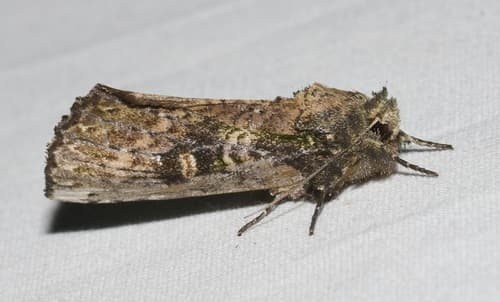
Identification TipsLook for its distinctive bark-like camouflage, especially the irregular, mottled pattern on the forewings and the raised thoracic tuft. Its resting posture often enhances its resemblance to a broken branch.
Description
This moth has highly cryptic forewings mottled with shades of brown, grey, and greenish-white, giving it the appearance of a broken twig or bark. It possesses a prominent tuft of scales on its thorax.