No widely accepted common name
Common NameNo widely accepted common name
Scientific NameCleora displicata
FamilyGeometridae
SubfamilyEnnominae
Wingspan (mm)34
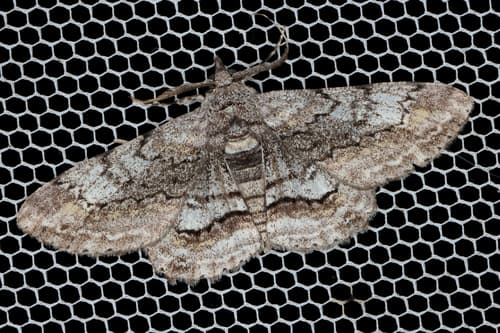
Wing Patterncryptic
Primary Colorsgray, brown, black, white
HabitatWoodlands, forests, parks, gardens
Geographic RangeEurope (e.g., Central and Southern Europe), parts of Asia (e.g., Turkey, Caucasus)
Host PlantsQuercus, Betula, Salix, Populus, Fagus, Prunus, Vaccinium
Flight PeriodMay to July (first generation), August to October (second generation)
Flight Stylefluttering
Conservation Statusleast-concern
Lifecycle NotesLarvae are 'inchworms' or loopers, often camouflaged as twigs. They feed on various deciduous trees and shrubs. Pupation typically occurs in the soil or leaf litter, and the species can have one or two generations per year.
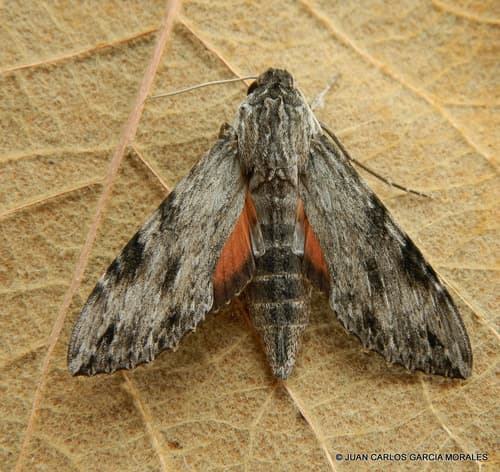
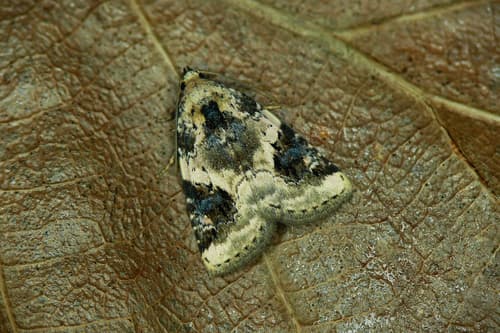
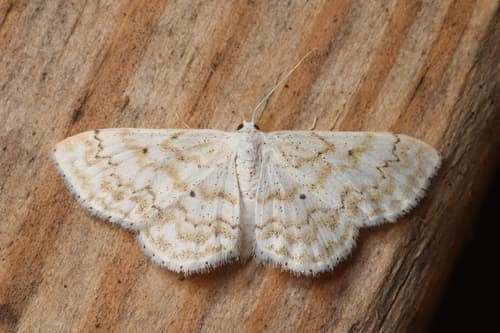
Identification TipsLook for its characteristic bark-like camouflage pattern, which includes a mix of grays, browns, and whites, often with a distinct dark discal spot and wavy lines across the wings. Males typically have bipectinate (comb-like) antennae.
Description
A medium-sized moth with a mottled, cryptic pattern of various shades of gray, brown, and whitish-gray, resembling tree bark. Its wings feature wavy transverse lines and dark speckles, with a stout, hairy body.