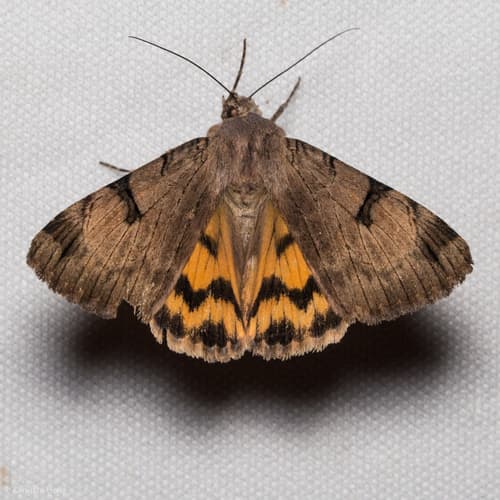
Ochraceous Drasteria
Common NameOchraceous Drasteria
Scientific NameDrasteria ochracea
FamilyErebidae
SubfamilyErebinae
Wingspan (mm)35
Wing Patternstriped
Primary Colorsbrown, orange, black
HabitatOpen woodlands, chaparral, dry grassy areas, sagebrush scrub
Geographic RangeWestern North America (primarily California, Oregon, Baja California)
Host PlantsLupinus, Lotus
Flight PeriodMarch to June
Flight Stylefluttering
Conservation Statusleast-concern
Lifecycle NotesLarvae are semi-loopers or cutworm-like, feeding on low-growing herbaceous plants, particularly legumes. Pupation occurs in the soil or leaf litter.
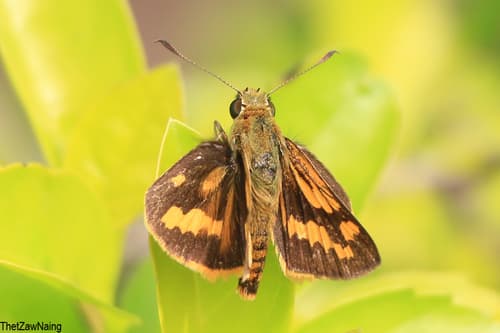
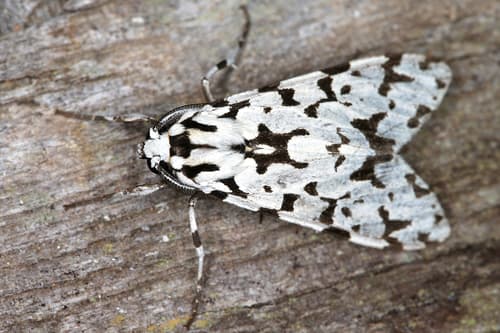
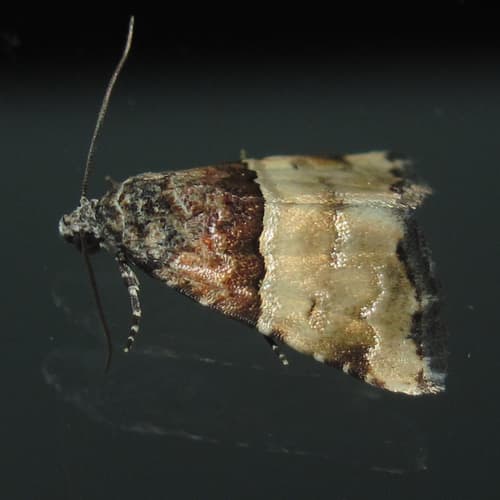
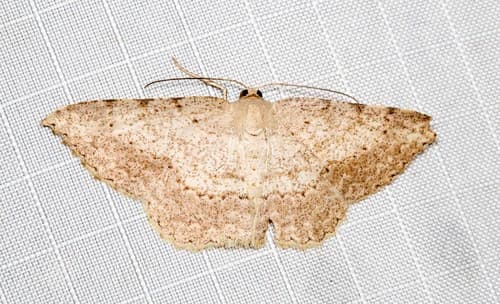
Identification TipsKey identification features include the contrasting dull brown forewings and bright orange hindwings with two prominent, irregular black bands (median and subterminal). The specific shape of these black bands helps distinguish it from similar Drasteria species.
Description
This moth has dull, cryptic brownish-grey forewings that conceal vibrant orange hindwings. The hindwings feature a broad, irregular black median band and a distinct black subterminal band.