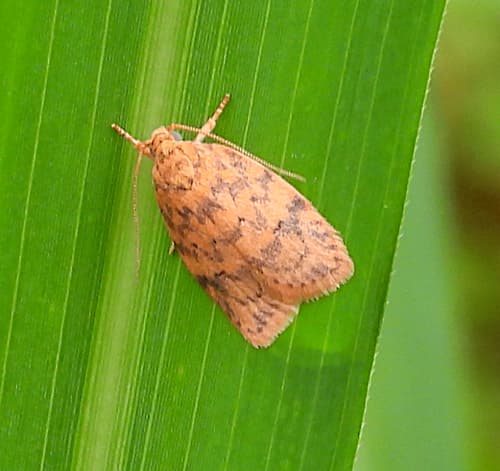
Omnivorous Leafroller
Common NameOmnivorous Leafroller
Scientific NamePlatynota stultana
FamilyTortricidae
SubfamilyTortricinae
Wingspan (mm)15
Wing Patterncryptic
Primary Colorsbrown, tan, grey
HabitatAgricultural fields, orchards, vineyards, nurseries, greenhouses, gardens
Geographic RangeNorth America (especially southern US, California), Central America, South America, and introduced globally
Host Plantsgrapes, citrus, apples, stone fruits, cotton, corn, beans, roses, many other cultivated plants and weeds
Flight PeriodMultiple generations per year; active year-round in warm climates, or spring to fall in temperate regions
Flight Stylefluttering
Conservation Statusleast-concern
Lifecycle NotesUndergoes complete metamorphosis. Eggs are laid in masses on leaves. Larvae are pale green to yellowish-green, rolling leaves or webbing fruit together for protection while feeding. Pupation occurs within the rolled leaf or web. Multiple generations per year.
Identification TipsRecognized by its small size (10-20mm wingspan), bell-shaped resting posture, and the mottled brown/tan forewings with indistinct darker bands. Larvae are identified by their leaf-rolling behavior and extremely polyphagous diet.
Description
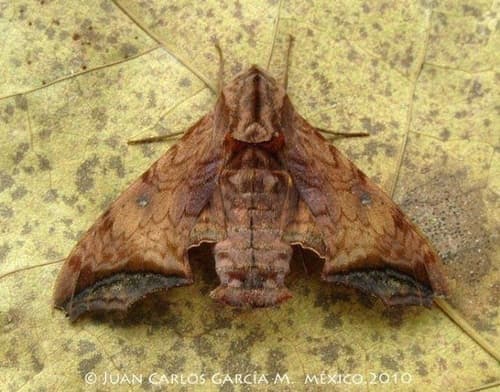
A small, bell-shaped moth with mottled brown and tan forewings, often featuring darker, irregular transverse bands, giving it a cryptic appearance.