Owl Moth
Common NameOwl Moth
Scientific NamePhigalia titea
FamilyGeometridae
SubfamilyEnnominae
Wingspan (mm)38
Wing Patterncryptic
Primary Colorsgrey, brown, black
HabitatDeciduous forests, woodlands, suburban areas
Geographic RangeEastern North America
Host Plantsoak, maple, birch, elm, cherry
Flight PeriodLate winter to early spring (February to April)
Flight Stylefluttering
Conservation Statusleast-concern
Lifecycle NotesLarvae are 'inchworms' that feed on the leaves of various deciduous trees. Pupation occurs in the soil, with adults emerging in late winter or early spring.
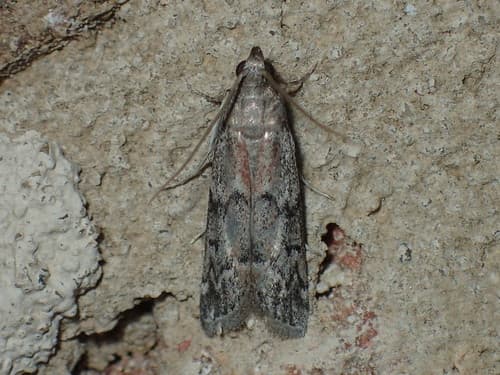
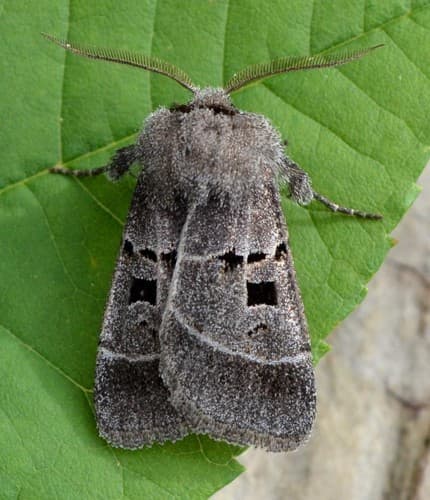
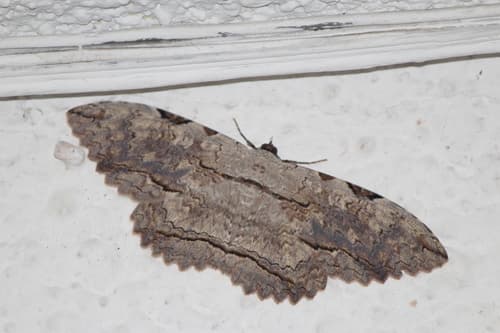
Identification TipsLook for the mottled grey-brown, bark-like pattern, prominent wavy lines across the wings, and the distinctly scalloped or toothed outer margin of the hindwings. Often seen resting on tree trunks or walls in early spring.
Description
A medium-sized moth with broad, mottled grey and brown wings, featuring wavy lines and a distinctive scalloped outer margin on the hindwings, providing excellent camouflage against tree bark.