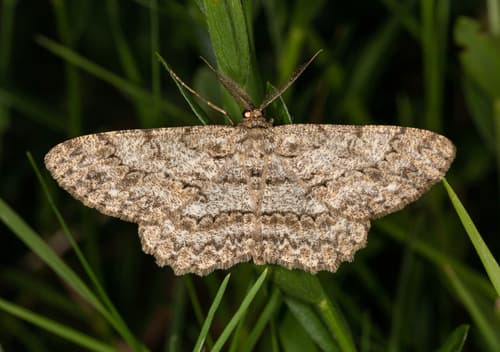
Pale Oak Beauty
Common NamePale Oak Beauty
Scientific NamePhigalia pilosaria
FamilyGeometridae
SubfamilyEnnominae
Wingspan (mm)40
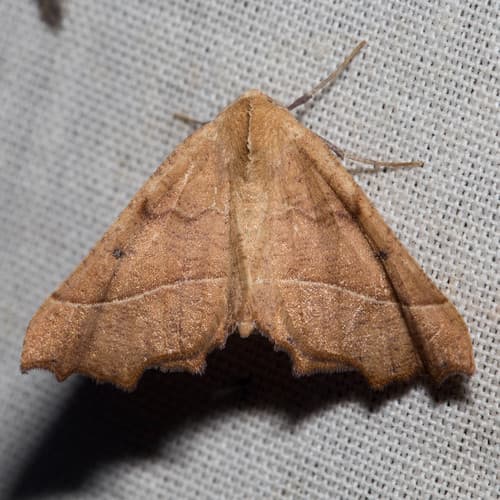
Wing Patterncryptic
Primary Colorsbrown, grey, white
HabitatWoodlands, parks, gardens, areas with deciduous trees, especially oak.
Geographic RangeEurope, extending eastwards into parts of Asia.
Host Plantsoak, birch, elm, hawthorn, sallow
Flight PeriodFebruary to April
Flight Stylefluttering
Conservation Statusleast-concern
Lifecycle NotesEggs are laid on host plants, and the larvae feed on the leaves of various deciduous trees. Pupation occurs in the soil, with adults emerging in late winter to early spring. Females are flightless and have vestigial wings.
Identification TipsLook for its distinctive bark-like camouflage and broad wings. Males have feathery antennae. Its early flight period in late winter/early spring is a key identifier, and the flightless females are often found near the base of host trees.
Description
This moth has broad, rounded wings with a highly cryptic pattern of mottled pale brown, grey, and white, effectively mimicking tree bark or lichen. Males possess feathery antennae.