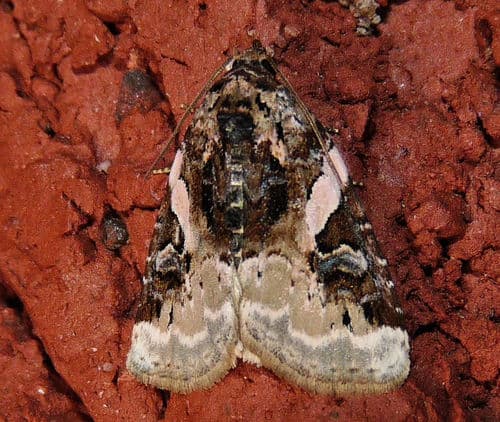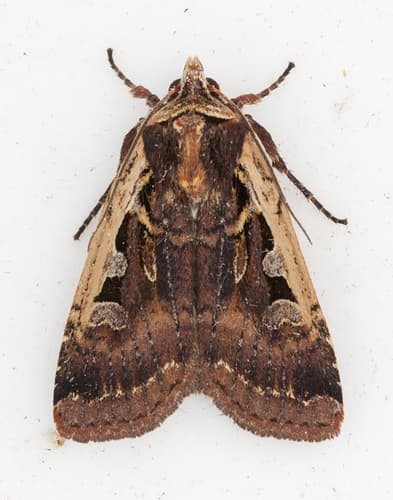
Parabagrotis sulinaris
Common NameParabagrotis sulinaris
Scientific NameParabagrotis sulinaris
FamilyNoctuidae
SubfamilyNoctuinae
Wingspan (mm)32
Wing Patterncryptic
Primary Colorsbrown, black, tan
HabitatArid and semi-arid regions, often sagebrush steppe or dry grasslands
Geographic RangeWestern North America (British Columbia south to California, east to Montana and Wyoming)
Host Plantsunknown, likely herbaceous plants and shrubs
Flight PeriodJuly to September
Flight Stylefluttering
Conservation Statusleast-concern
Lifecycle NotesUndergoes complete metamorphosis. Larvae are likely cutworms, feeding on the roots and lower stems of herbaceous plants. Pupation occurs in the soil.
Identification TipsKey features include the distinctive mottled forewing pattern with dark reniform and orbicular spots, and the overall brown and black coloration. Definitive identification often requires examination of genitalia.
Description
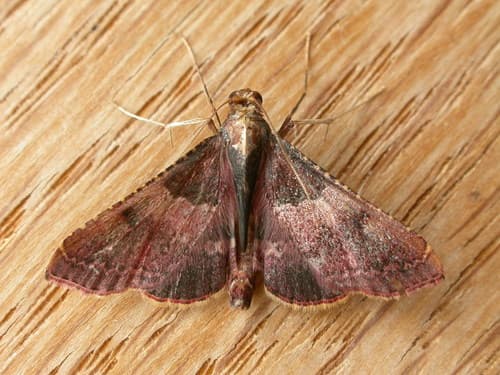
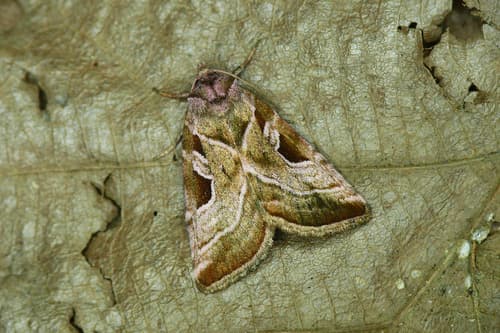
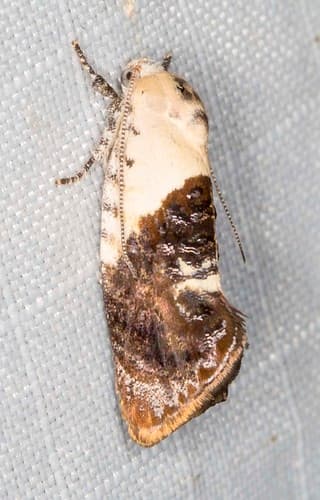
A medium-sized moth with mottled brown, black, and pale tan forewings, featuring prominent dark reniform and orbicular spots and a distinct dark basal dash. The hindwings are typically paler brown.