Pine Processionary-moth
Common NamePine Processionary-moth
Scientific NameThaumetopoea pityocampa
FamilyNotodontidae
SubfamilyThaumetopoeinae
Wingspan (mm)40
Wing Patterncryptic
Primary Colorsgrey, dark grey, white
HabitatPine forests, coniferous forests, Mediterranean forests
Geographic RangeSouthern Europe, North Africa, Middle East
Host PlantsPine species (Pinus spp.), Cedar species (Cedrus spp.), Fir species (Abies spp.)
Flight PeriodJuly to October
Flight Stylefluttering
Conservation Statusleast-concern
Lifecycle NotesLarvae are highly social, forming large silken nests in pine trees and feeding on needles. They move in characteristic 'processions' and possess urticating hairs. Pupation occurs in the soil.
Identification TipsLook for the cryptic grey forewings with dark wavy patterns, plain white hindwings (if visible), and notably, the large silken nests and characteristic 'processionary' behavior of the caterpillars in pine trees. Males have prominent feathery antennae.
Description
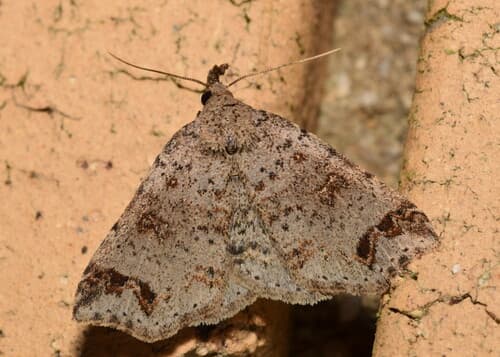
This moth has a robust, hairy grey body and forewings that are mottled with shades of grey and dark wavy lines, providing excellent camouflage. Its hindwings are typically plain white.