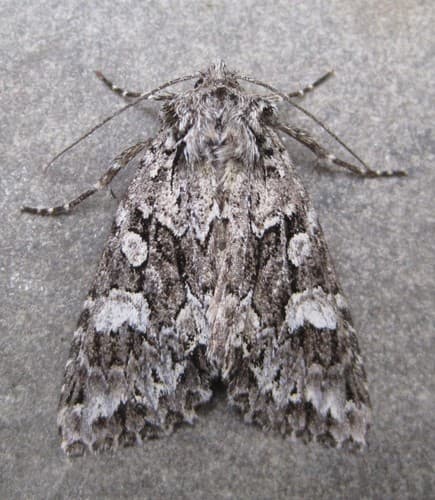
Platypolia anceps
Common NamePlatypolia anceps
Scientific NamePlatypolia anceps
FamilyNoctuidae
SubfamilyNoctuinae
Wingspan (mm)40
Wing Patterncryptic
Primary Colorsgrey, white, black
HabitatWoodlands, forests, areas with deciduous trees
Geographic RangeCentral and Southern Europe, parts of Asia Minor
Host PlantsQuercus, Populus, Salix, Betula, Ulmus, Prunus
Flight PeriodAugust to October (sometimes overwintering)
Flight Stylefluttering
Conservation Statusleast-concern
Lifecycle NotesLarvae feed on various deciduous trees and shrubs from spring to early summer. Pupation occurs in the soil, with adults emerging in late summer or autumn, some of which may overwinter.
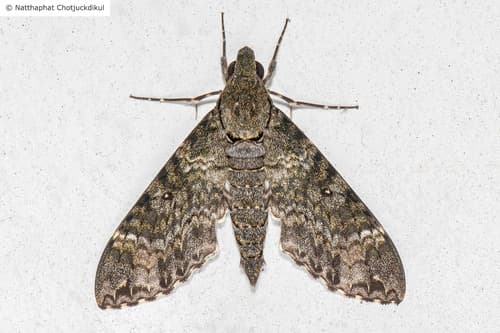
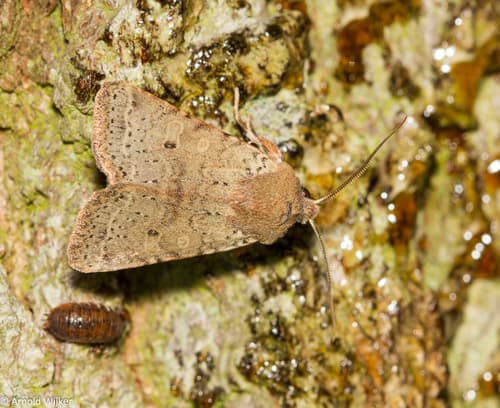
Identification TipsKey features include the distinctive mottled grey and white forewing pattern, the pale-ringed reniform and orbicular spots, and the jagged subterminal line, all contributing to its excellent camouflage.
Description
A medium-sized moth with highly cryptic forewings, mottled in shades of grey, white, and black, resembling lichen or bark. It features prominent reniform and orbicular spots, often pale-ringed, and a jagged subterminal line.