Proteuxoa capularis
Common NameProteuxoa capularis
Scientific NameProteuxoa capularis
FamilyNoctuidae
SubfamilyNoctuinae
Wingspan (mm)32.5
Primary Colorsgrey, brown, black, white
HabitatWoodlands, grasslands, open forests, suburban gardens
Geographic RangeSoutheastern Australia (New South Wales, Victoria, South Australia, Tasmania)
Host Plantsgrasses, herbaceous plants
Flight PeriodApril to October
Conservation Statusleast-concern
Lifecycle NotesLike most moths, it undergoes complete metamorphosis: egg, larva (caterpillar), pupa, and adult. Larvae are typically nocturnal feeders on low-growing plants.
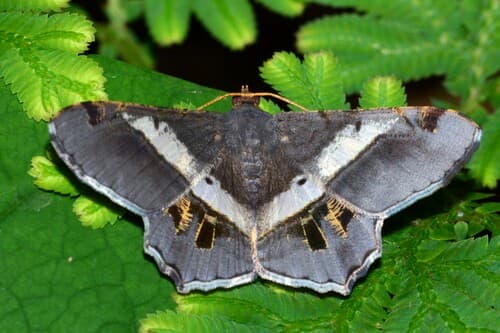
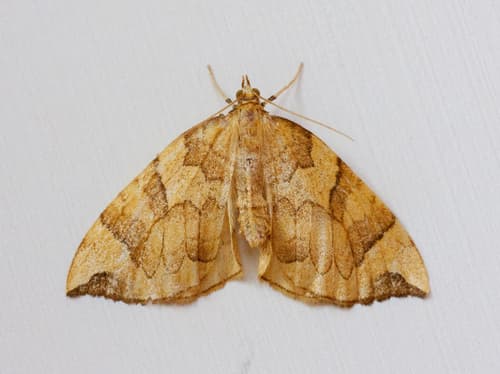
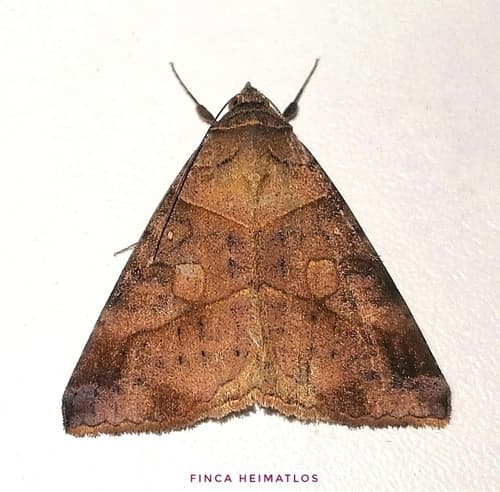
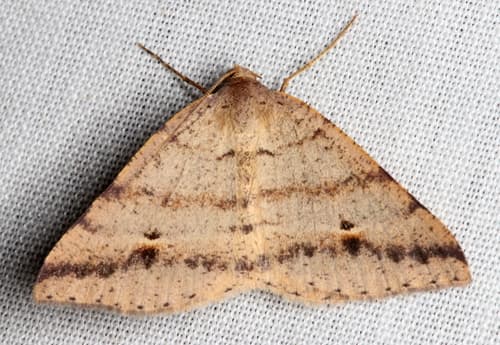
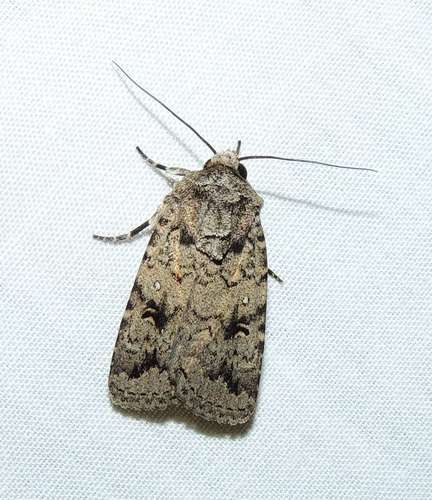
Identification TipsLook for the specific mottled grey-brown forewing pattern with prominent, dark-outlined reniform and orbicular spots, and the characteristic jagged subterminal line. The overall cryptic appearance is key for identification.
Description
A medium-sized moth with cryptically patterned forewings, featuring a mottled blend of grey, brown, and black. Distinctive dark reniform and orbicular spots are present, along with jagged transverse lines, allowing it to blend seamlessly with bark or dry vegetation.