Rain Moth
Common NameRain Moth
Scientific NameTrictena atripalpis
FamilyHepialidae
SubfamilyHepialinae
Wingspan (mm)150
Wing Patterncryptic
Primary Colorsgrey, brown, white
HabitatOpen woodlands, forests, suburban gardens
Geographic RangeEastern and Southern Australia, including Tasmania
Host PlantsEucalyptus, Acacia, Casuarina, various native and introduced trees and shrubs
Flight PeriodLate summer to autumn (February to May in Australia)
Conservation Statusleast-concern
Lifecycle NotesLarvae, known as 'witchetty grubs', are large and subterranean, feeding on the roots of various trees and shrubs for several years before pupating underground. Adults typically emerge after significant rainfall.
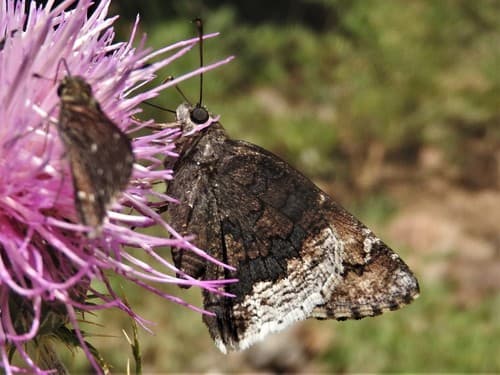
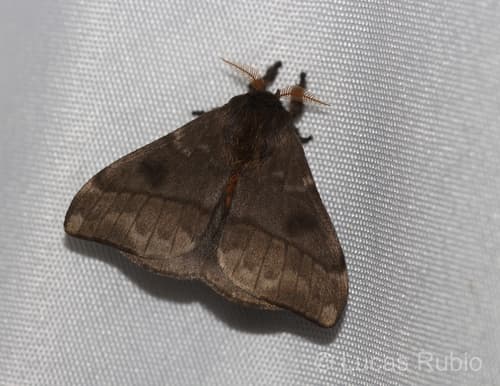
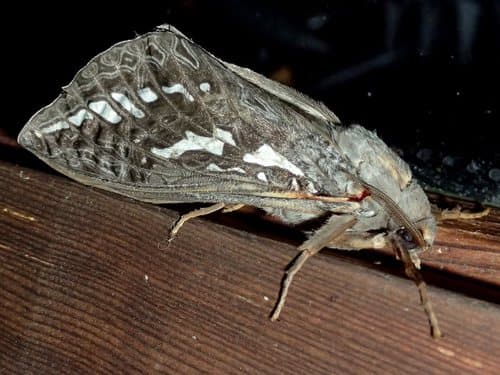
Identification TipsKey features include its immense size (especially females), robust body, and the distinctive, intricate grey-brown and white mottled pattern on the forewings. Often attracted to lights at night, particularly after rain.
Description
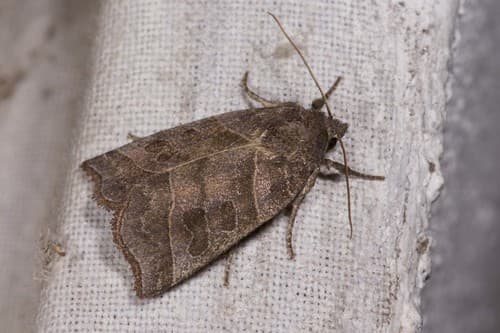
A very large, robust moth with a hairy, grey-brown body and forewings featuring a complex, mottled pattern of dark grey-brown with prominent, irregular white or pale cream patches and wavy lines.