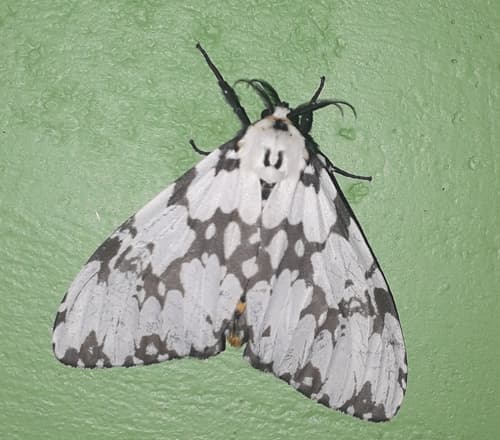
Sooty Tussock Moth
Common NameSooty Tussock Moth
Scientific NameLymantria fuliginosa
FamilyErebidae
SubfamilyLymantriinae
Wingspan (mm)35
Primary Colorswhite, black, orange
HabitatForests, woodlands, orchards, and areas with broadleaf host plants.
Geographic RangeIndia (Sikkim, Assam), Nepal, Bhutan, Myanmar, China (Yunnan, Sichuan), Vietnam.
Host PlantsQuercus, Castanea, Betula, Salix, Prunus, Malus, Pyrus, Rosa, Rubus, Tilia, Ulmus, Populus, Acer, Fagus, Alnus, Carpinus, Corylus, Juglans, Rhododendron, Camellia, Thea
Flight PeriodMultiple generations from spring to autumn, depending on the specific region.
Flight Stylefluttering
Conservation Statusleast-concern
Lifecycle NotesLarvae are hairy (tussock caterpillars) and polyphagous, feeding on various broadleaf trees and shrubs. They undergo complete metamorphosis, pupating in a cocoon, and adults emerge with males being strong flyers.
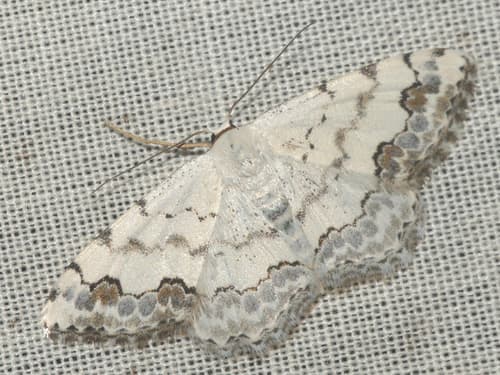
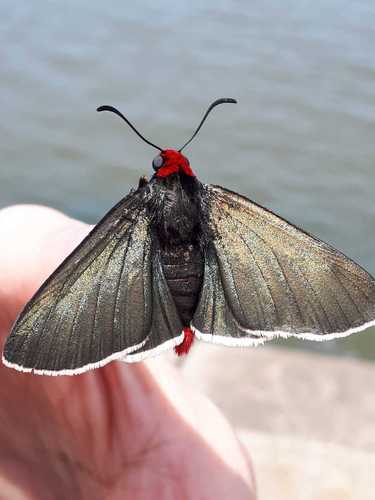
Identification TipsLook for the distinctive black and white mottled wing pattern with irregular blotches, the white body with black thoracic markings, and the prominent bipectinate antennae of the male. The presence of orange or yellow abdominal tufts can also be a key feature.
Description
This moth features a striking black and white mottled pattern across its wings, with a predominantly white body and black markings on the thorax. Males possess prominent feathery antennae and may have orange or yellow tufts on the abdomen.