Straight-toothed Sallow
Common NameStraight-toothed Sallow
Scientific NameEupsilia devia
FamilyNoctuidae
SubfamilyXyleninae
Wingspan (mm)38
Primary Colorsbrown, reddish-brown, pale yellow
HabitatDeciduous forests, woodlands, mixed forests
Geographic RangeEastern North America, from southern Canada south to Florida and west to Texas
Host Plantsmaple, oak, birch, other deciduous trees
Flight PeriodLate September to November, then March to April (overwintering adult)
Flight Stylefluttering
Conservation Statusleast-concern
Lifecycle NotesLarvae feed on the leaves of various deciduous trees and shrubs. They pupate in the soil, and adults emerge in the fall, overwintering as adults before mating and laying eggs in the spring.
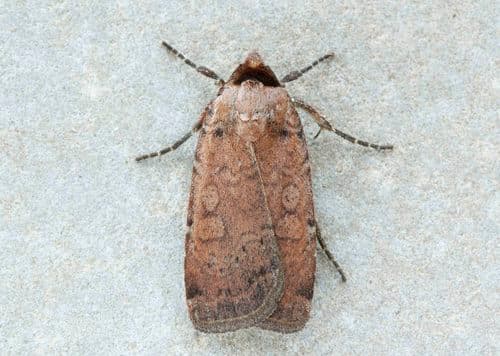
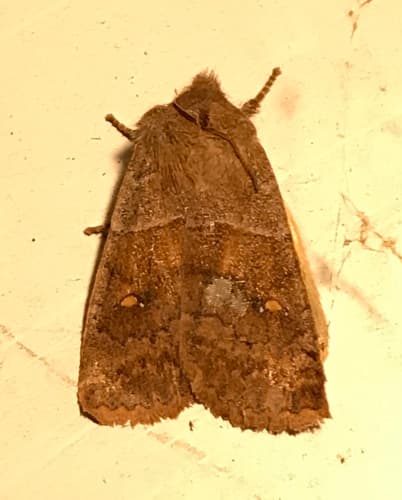
Identification TipsLook for the distinctive combination of reddish-brown mottled forewings with a pale reniform spot and a yellowish orbicular spot. The antennae are serrated (straight-toothed), and its flight period (late fall and early spring) is a key identifier for an overwintering adult moth.
Description
This is a medium-sized, robust moth with mottled reddish-brown to dark brown forewings. It features a prominent, somewhat rectangular pale reniform spot and a smaller, roundish yellowish orbicular spot, set against a cryptically patterned background.