Walnut Sphinx
Common NameWalnut Sphinx
Scientific NameLaothoe juglandis
FamilySphingidae
SubfamilySmerinthinae
Wingspan (mm)60
Wing Patterncryptic
Primary Colorsbrown, tan, grey
HabitatDeciduous forests, woodlands, riparian areas, orchards
Geographic RangeEastern North America, from southern Canada to Florida and west to Texas
Host Plantswalnut, hickory, pecan, birch, hornbeam, elm, ash
Flight PeriodMay to September
Conservation Statusleast-concern
Lifecycle NotesEggs are laid singly on host plant leaves. Larvae are green hornworms with a rough texture and a prominent caudal horn, feeding on various deciduous trees. They pupate in a shallow burrow in the soil.
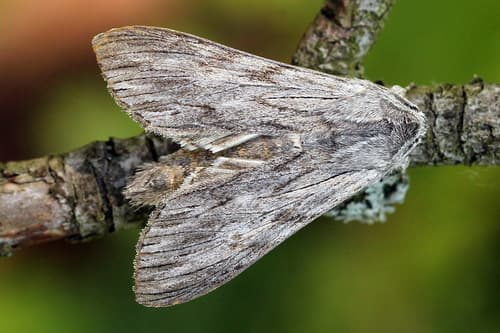
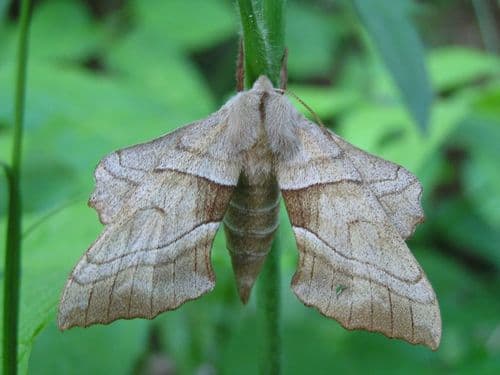
Identification TipsLook for the distinctive scalloped hindwing margins (though not fully visible in this dorsal view), the wavy forewing pattern with a prominent darker median band, and the overall cryptic brown/tan coloration. Unlike some other sphinx moths, it lacks prominent eyespots on the hindwings.
Description
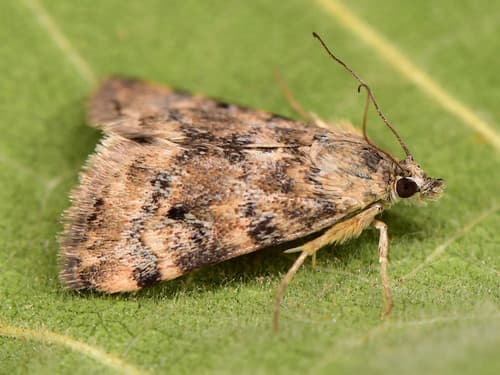
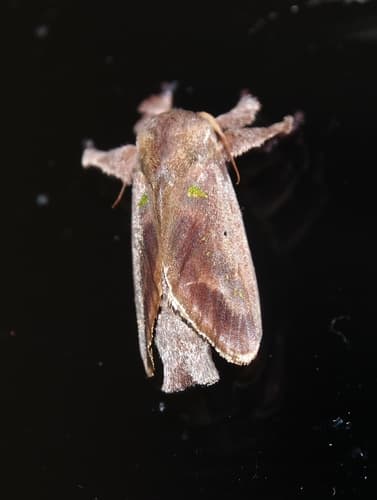
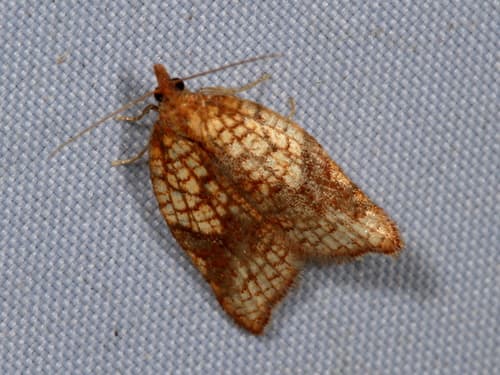
A medium-sized, cryptically colored moth with mottled brown and tan forewings featuring wavy lines and a distinct darker median band. The hindwings are typically paler brown with a scalloped margin.