West Indian Mangrove Buckeye
Common NameWest Indian Mangrove Buckeye
Scientific NameJunonia evarete
FamilyNymphalidae
SubfamilyNymphalinae
Wingspan (mm)50
Primary Colorsbrown, orange, black, blue
HabitatMangrove forests, coastal areas, open disturbed habitats, gardens
Geographic RangeFlorida (USA), West Indies, Central America, South America
Host PlantsAvicennia germinans (Black Mangrove), various plants in Acanthaceae, Plantaginaceae, and Scrophulariaceae families
Flight PeriodYear-round in tropical regions
Conservation Statusleast-concern
Lifecycle NotesEggs are laid singly on host plant leaves. Larvae are typically spiny and feed on the host foliage. Pupation occurs in a chrysalis, leading to the adult butterfly.
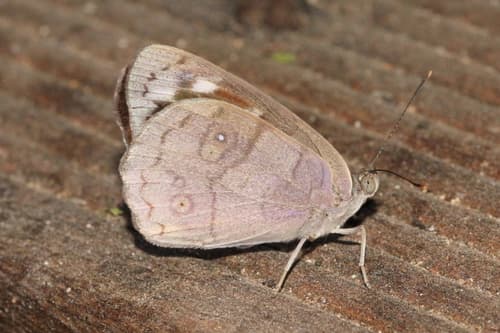
Identification TipsLook for the distinctive large, blue-centered eyespots on both sets of wings, especially the two prominent ones on the forewings. The overall brown coloration with orange and black markings is also characteristic.
Description
This butterfly has a predominantly brown upperside with prominent, iridescent blue-centered eyespots on both forewings and hindwings, bordered by yellow and black rings. Orange and black bands are also visible, especially on the forewings.