Western Mniotype
Common NameWestern Mniotype
Scientific NameMniotype occidentalis
FamilyNoctuidae
SubfamilyNoctuinae
Wingspan (mm)35
Wing Patterncryptic
Primary Colorsbrown, black, grey
HabitatConiferous forests, montane regions
Geographic RangeWestern North America (British Columbia, Washington, Oregon, California, Arizona, Utah, Colorado, New Mexico)
Host PlantsDouglas-fir (Pseudotsuga menziesii), fir (Abies), spruce (Picea), pine (Pinus)
Flight PeriodAugust to October
Flight Stylefluttering
Conservation Statusleast-concern
Lifecycle NotesUndergoes complete metamorphosis: egg, larva (caterpillar), pupa, and adult. Larvae feed on the needles of various conifers. Overwinters likely as a pupa or egg.
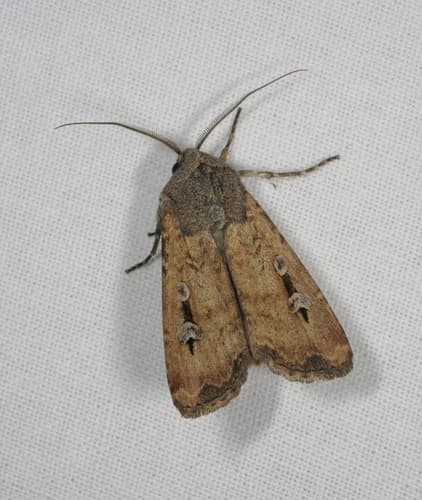
Identification TipsKey identification features include the mottled brown and black forewing pattern with clearly defined reniform and orbicular spots, often with a pale outline. Its cryptic coloration helps it blend with tree bark, and its range is restricted to western North America.
Description
This is a medium-sized moth with forewings displaying a complex, mottled pattern of dark brown, black, and grey scales, providing excellent camouflage. It features prominent, dark-ringed reniform and orbicular spots, and wavy transverse lines across the wings.