Zerene Fritillary
Common NameZerene Fritillary
Scientific NameSpeyeria zerene
FamilyNymphalidae
SubfamilyHeliconiinae
Wingspan (mm)60
Wing Patternspotted
Primary Colorsorange, brown, black, white
HabitatOpen woodlands, meadows, subalpine areas, forest clearings
Geographic RangeWestern North America, from British Columbia south to Baja California, and east to the Rocky Mountains
Host PlantsViola spp. (violets)
Flight PeriodJune to September
Conservation Statusleast-concern
Lifecycle NotesEggs are laid singly on or near host violets. Larvae hatch and overwinter as first instars, emerging in spring to feed on violet leaves. Pupation occurs in a chrysalis.
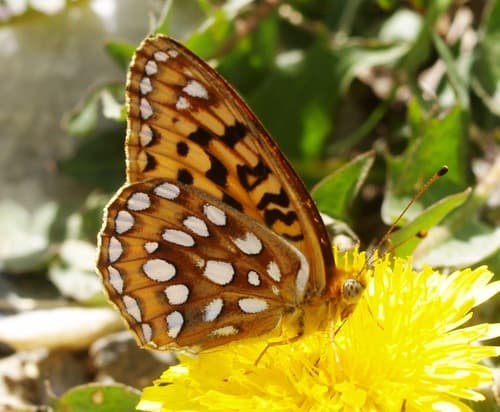
Identification TipsLook for the characteristic orange-brown upperside with black markings and, most distinctly, the large, often silvery-white spots on the underside of the hindwings, which differentiate it from other fritillaries.
Description
A medium-sized butterfly with orange-brown upperwings marked with black spots and lines. The underside of the hindwings is typically brown or olive with prominent, large white or silvery spots.