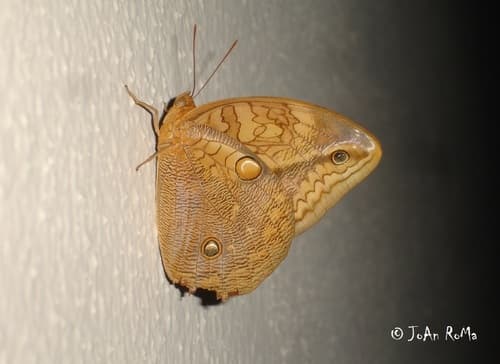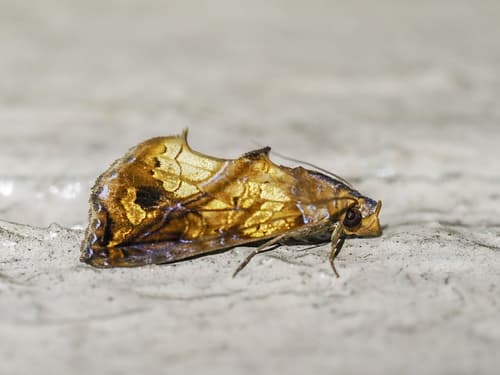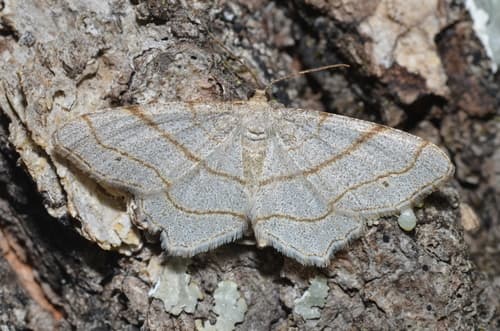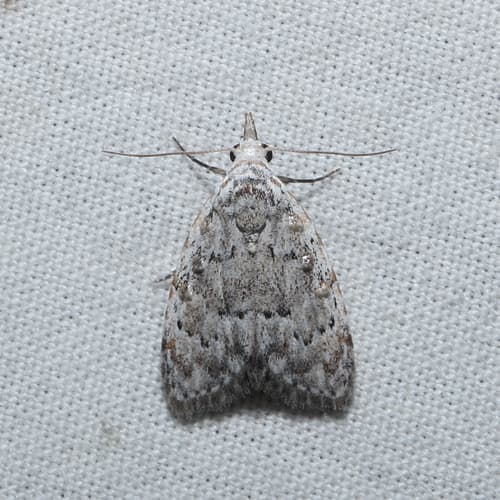
Florestan Sphinx
Common NameFlorestan Sphinx
Scientific NameManduca florestan
FamilySphingidae
SubfamilySphinginae
Wingspan (mm)100
Wing Patterncryptic
Primary Colorsgrey, brown, black, cream
HabitatTropical and subtropical forests, forest edges, disturbed areas, gardens
Geographic RangeMexico, Central America, South America (Colombia, Ecuador, Peru, Bolivia, Venezuela, Brazil, Argentina)
Host PlantsNicotiana, Solanum, Cestrum, Datura, Lycium
Flight PeriodYear-round in tropical regions; multiple broods in temperate areas
Conservation Statusleast-concern
Lifecycle NotesLarvae are large, green 'hornworms' with diagonal stripes and a posterior horn. They pupate in an underground chamber. Adults are nocturnal and feed on nectar.
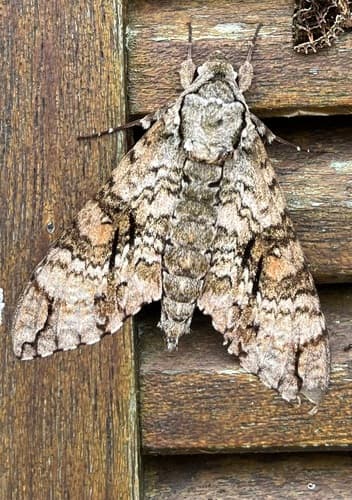
Identification TipsDistinguished by its large size, robust body, and the specific intricate, wavy grey-brown pattern on its forewings, which helps it blend seamlessly with tree bark.
Description
A large, robust sphinx moth with cryptically patterned forewings, predominantly grey and brown with complex wavy dark lines and bands, providing excellent camouflage against tree bark.