Triclonella bicoloripennis
Scientific NameTriclonella bicoloripennis
FamilyCosmopterigidae
SubfamilyCosmopteriginae
Wingspan (mm)7
Wing Patternspotted
Primary Colorsyellowish-tan, dark brown, black
HabitatDeciduous forests, woodlands, and shrubby areas
Geographic RangeSoutheastern United States, north to Maryland and west to Arkansas
Host Plantsdead leaves of oak (Quercus), maple (Acer), sumac (Rhus)
Flight PeriodMay to September
Flight Stylefluttering
Conservation Statusleast-concern
Lifecycle NotesLarvae are detritivores, feeding on dead leaves of various deciduous trees and shrubs. Pupation likely occurs in a cocoon within the leaf litter.
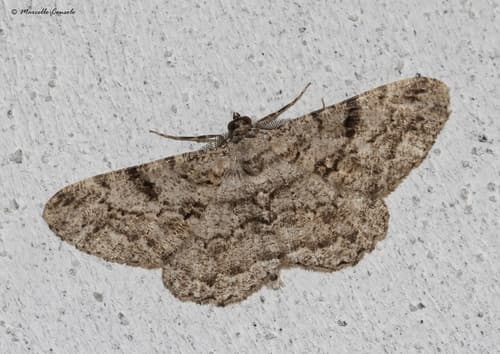
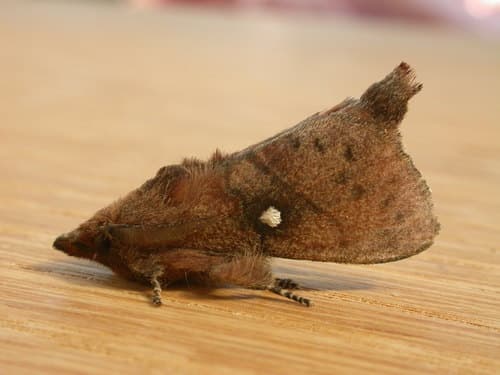
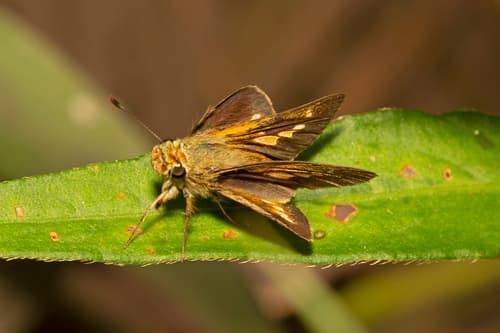
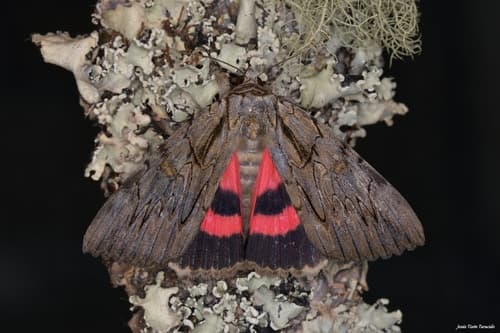
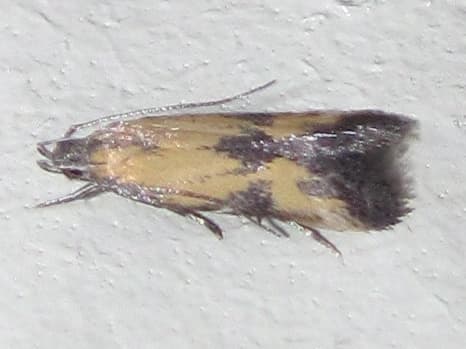
Identification TipsKey identification features include the small size, the yellowish-tan forewings with distinct dark brown/black irregular patches, and the prominent dark apical patch. Examination of genitalia may be required for definitive species identification within the genus.
Description
A small moth with yellowish-tan forewings marked with irregular dark brown to black patches, including a prominent dark patch at the wing apex. The body is slender and the antennae are long.