Nola pycnopasta
Common NameNola pycnopasta
Scientific NameNola pycnopasta
FamilyNolidae
SubfamilyNolinae
Wingspan (mm)18
Wing Patterncryptic
Primary Colorsgray, white, brown, black
HabitatArid and semi-arid regions, woodlands, chaparral
Geographic RangeSouthwestern United States (e.g., Arizona, California) and parts of Mexico
Host Plantslichens, mosses, various broadleaf trees and shrubs (e.g., oaks)
Flight PeriodMultiple broods, typically spring through fall (e.g., March to October)
Flight Stylefluttering
Conservation Statusleast-concern
Lifecycle NotesUndergoes complete metamorphosis; eggs hatch into hairy larvae (caterpillars) which feed on host plants, then pupate before emerging as adult moths.
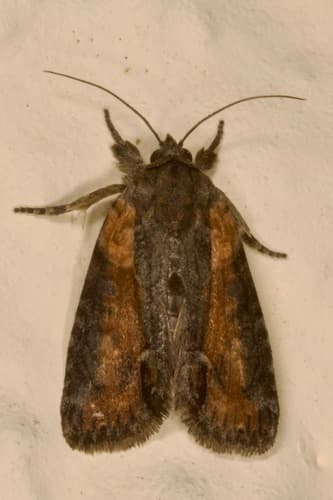
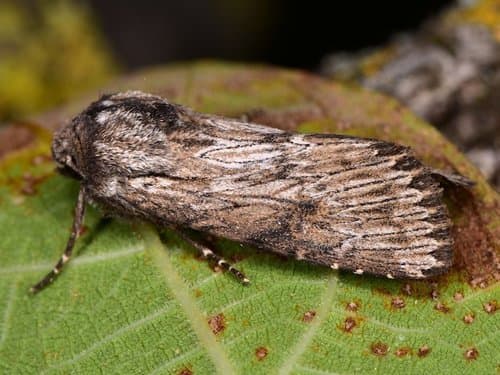
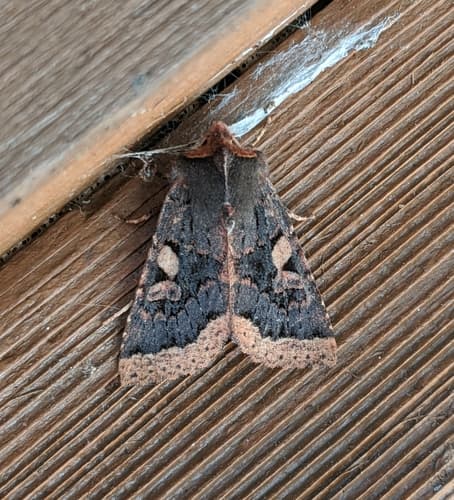
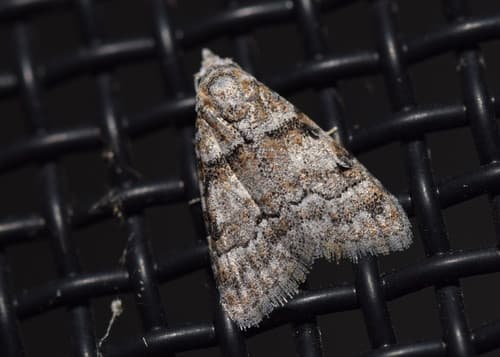
Identification TipsDistinguished by its very small size, the characteristic mottled gray-brown-white cryptic pattern on the forewings, and the somewhat 'humped' resting posture. Specific patterns of dark banding and white scaling are key for species-level identification within the Nola genus.
Description
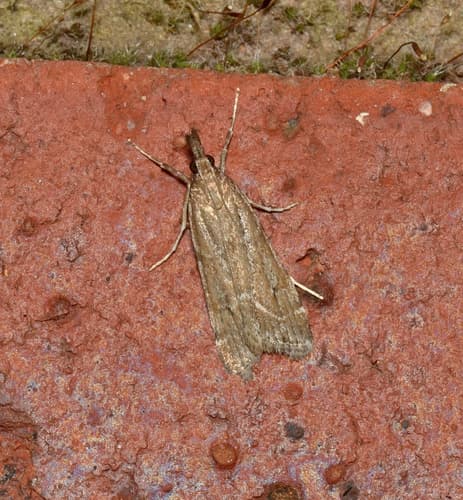
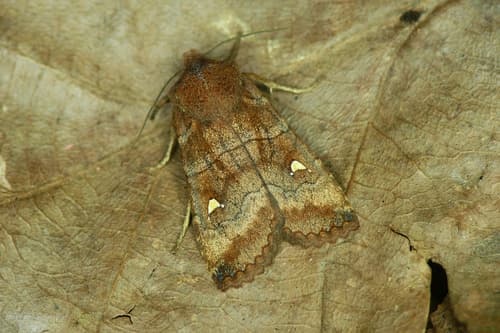
A small, cryptically colored moth with mottled forewings displaying a mix of gray, white, and brown scales, often with indistinct darker transverse lines and a somewhat rounded appearance when at rest.