Silphium Borer Moth
Common NameSilphium Borer Moth
Scientific NamePapaipema silphii
FamilyNoctuidae
SubfamilyNoctuinae
Wingspan (mm)34
Wing Patterncryptic
Primary Colorsdark brown, grey, white
HabitatPrairies, open fields, roadsides, and other areas where Silphium host plants grow
Geographic RangeMidwestern United States (e.g., Illinois, Indiana, Iowa, Kansas, Michigan, Missouri, Ohio, Wisconsin) and possibly parts of Ontario, Canada, correlating with host plant distribution.
Host PlantsSilphium integrifolium, Silphium terebinthinaceum
Flight PeriodLate August to October
Flight Stylefluttering
Conservation Statusvulnerable
Lifecycle NotesEggs are laid in the fall and hatch in spring. Larvae are stem borers, feeding inside the stems of Silphium species, and pupate in the soil near the host plant.
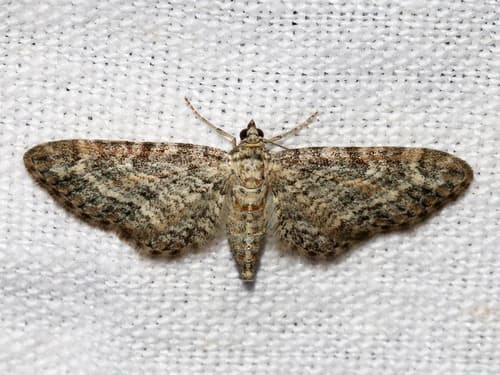
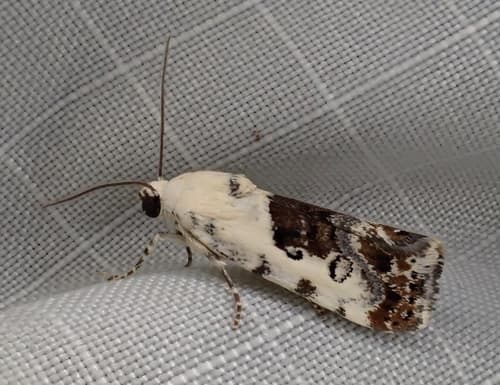
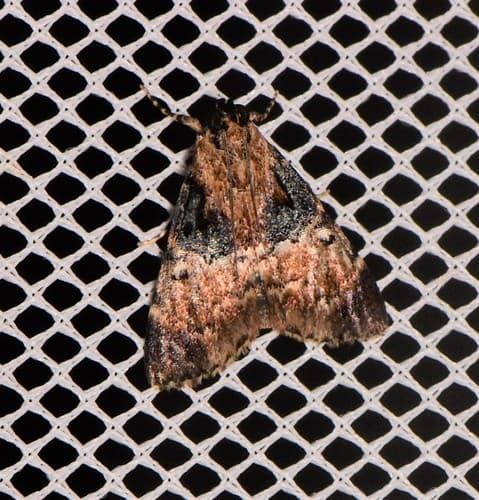
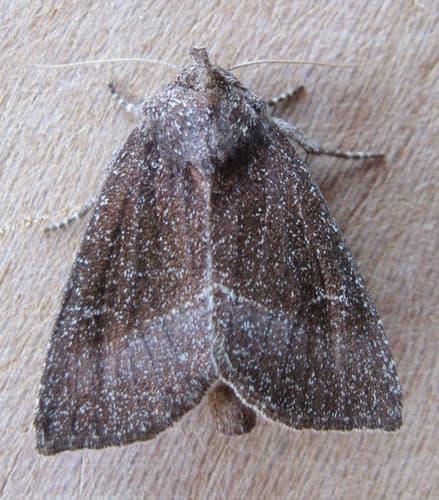
Identification TipsKey features include its mottled dark brown and white forewings, robust body, and strong association with Silphium host plants. The overall 'frosted' appearance is characteristic, though distinguishing from similar Papaipema species can be challenging without close examination.
Description
A medium-sized, robust moth with forewings that are dark brown to grayish-brown, heavily mottled and speckled with white or pale scales, giving it a frosted appearance.