Falcifera Sphinx Moth
Common NameFalcifera Sphinx Moth
Scientific NameXylophanes falcifera
FamilySphingidae
SubfamilyMacroglossinae
Wingspan (mm)60
Wing Patterncryptic
Primary Colorsbrown, tan, reddish-brown, dark brown
HabitatTropical and subtropical forests, forest edges, disturbed areas
Geographic RangeSouthern United States (Florida, Texas, Arizona), Central America, South America
Host PlantsPsychotria nervosa, Hamelia patens, Chiococca alba, Coffea arabica
Flight PeriodYear-round in tropical regions; multiple broods from spring to fall in temperate parts of its range (e.g., March-November in Florida)
Flight Styledarting
Conservation Statusleast-concern
Lifecycle NotesLarvae are typically green or brown with prominent eyespots, feeding on various plants in the Rubiaceae family. They pupate in a shallow burrow in the soil, and adults are nocturnal, strong fliers.
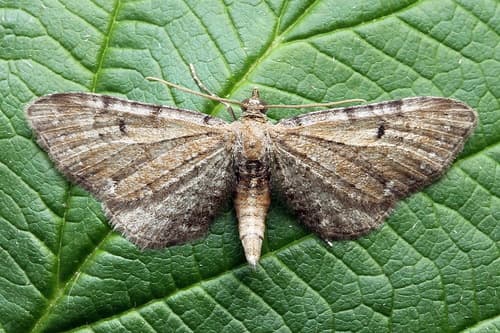
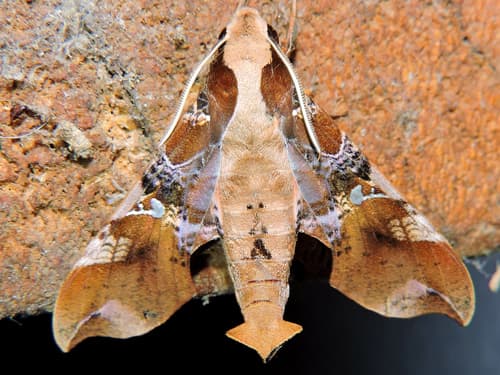
Identification TipsKey identification features include the strongly falcate (hooked) forewing apex, the dark brown streak on the forewing, and the small, pale bluish-white spot near the forewing tip. The overall cryptic reddish-brown coloration also helps it blend with tree bark.
Description
A medium-sized sphinx moth with robust body and distinctive falcate (hooked) forewing tips. Its forewings are mottled in shades of reddish-brown and tan, featuring a prominent dark brown streak running from the base to the apex, and a small, pale bluish-white subapical spot.