November Moth
Common NameNovember Moth
Scientific NameEpirrita dilutata
FamilyGeometridae
SubfamilyLarentiinae
Wingspan (mm)35
Wing Patterncryptic
Primary Colorsgrey, brown, white
HabitatWoodlands, hedgerows, gardens, parks
Geographic RangeEurope, parts of North Africa and Asia Minor
Host Plantsoak, birch, beech, hawthorn, blackthorn, elm
Flight PeriodSeptember to December
Flight Stylefluttering
Conservation Statusleast-concern
Lifecycle NotesThe species overwinters as eggs laid on host plants. Larvae hatch in spring, feed on leaves, and pupate in the soil during summer, with adults emerging in autumn.
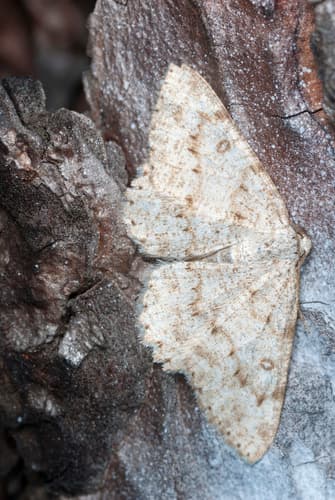
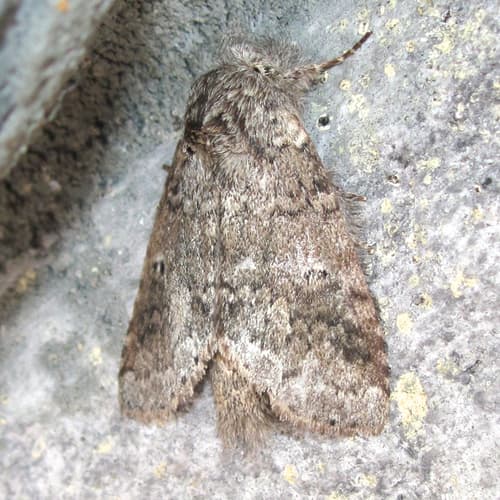
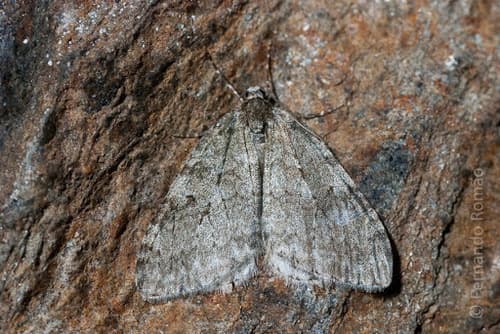
Identification TipsKey features include its late flight period (autumn/early winter), mottled greyish-brown wings with variable but often indistinct cross-bands, and a relatively slender body. Careful examination of wing markings is needed to distinguish it from similar *Epirrita* species.
Description
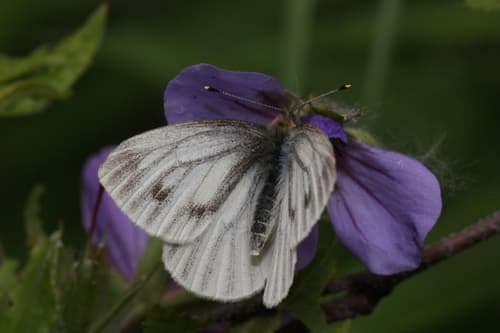
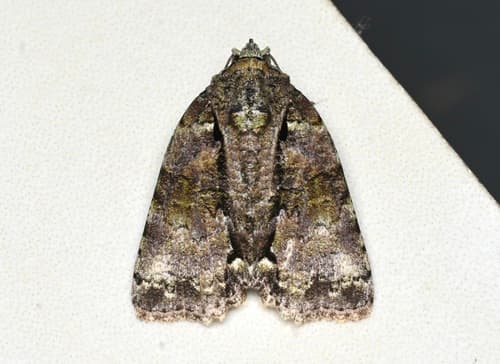
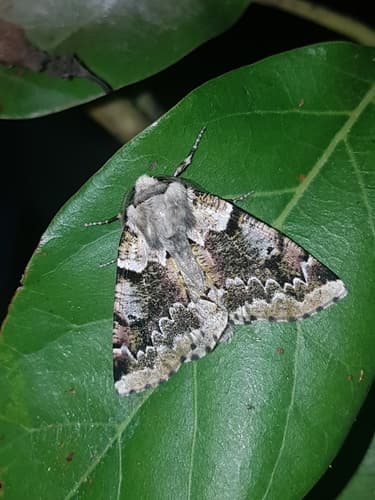
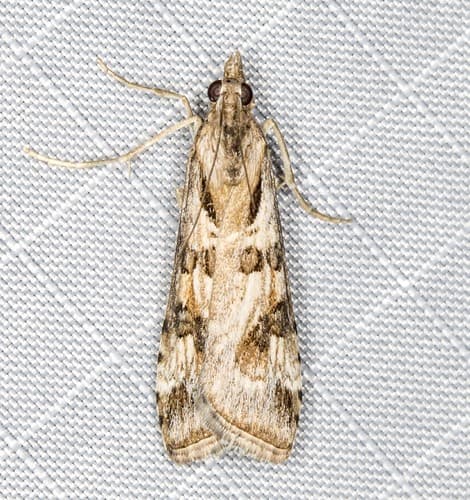
A medium-sized moth with mottled grey and brown wings, often displaying faint darker cross-bands, providing excellent camouflage against tree bark or rocks.